Thursday 30 April 2026
Brent Crude Oil (27–30 April 2026)
Geopolitical Supply Shock Reprices Global Oil as Brent Surges on Hormuz Crisis, Fed Inflation Risks, and Physical Market Tightening
Executive Summary
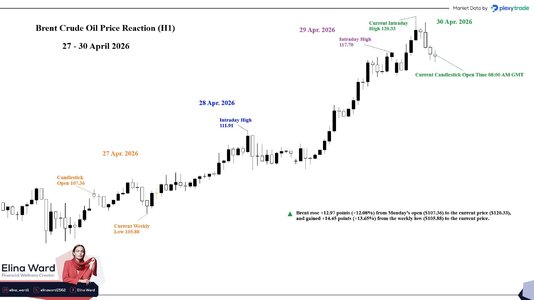
Between Monday, April 27, and Thursday, April 30, 2026, Brent crude experienced one of its sharpest four-day geopolitical repricings in recent years, climbing from an opening price of
$107.36 on April 27 to a current intraday high of
$120.33 on April 30 before moderating later in the session.
This move represented:
Brent Price Expansion:
From Monday Open (107.36) → Thursday Current Intraday High (120.33):
+12.97 points | +12.08%
From Monday Intraday Low (105.88) → Thursday Current Intraday High (120.33):
+14.45 points | +13.65%
The scale of this rally reflected a dramatic expansion in geopolitical risk premium rather than a conventional growth-driven commodity rally.
Brent’s rise was overwhelmingly driven by escalating fears of prolonged Middle East supply disruption, centered on the effective impairment of the Strait of Hormuz after stalled U.S.–Iran diplomacy, military escalation risk, and mounting concerns that a major share of global oil transit could remain structurally constrained longer than markets had initially anticipated.
While macroeconomic developments — particularly the Federal Reserve’s April 29 policy hold — influenced inflation expectations, Treasury yields, and the U.S. dollar, those forces were secondary. Instead, markets largely interpreted Fed hawkishness as confirmation that rising energy prices themselves were becoming an inflationary macro threat.
At the same time, a major U.S. crude inventory draw and record exports reinforced tightening physical fundamentals, validating Brent’s rally beyond geopolitics alone. The UAE’s decision to leave OPEC effective May 1 added longer-term strategic significance but had limited immediate influence on the week’s explosive price action.
Brent Price Action Snapshot (H1 Chart-Based)
| Date | Session | Key Price Point | Brent Price |
|---|
| 27 Apr 2026 | Monday | Opening Price | 107.36 |
| 27 Apr 2026 | Monday | Intraday Low | 105.88 |
| 28 Apr 2026 | Tuesday | Intraday High | 111.91 |
| 29 Apr 2026 | Wednesday | Intraday High | 117.70 |
| 30 Apr 2026 | Thursday | Current Intraday High | 120.33 |
Daily Breakdown: How Brent Repriced Higher
Monday, April 27 – Structural Risk Premium Begins
Brent opened at
$107.36, briefly fell to
$105.88, then reversed sharply higher as markets absorbed worsening geopolitical headlines.
Reports that U.S.–Iran negotiations had stalled and Strait of Hormuz shipping disruption remained unresolved triggered the week’s first major repricing wave.
Institutional Interpretation:
Markets began shifting from temporary geopolitical uncertainty to structural supply impairment.
This distinction mattered: Brent was no longer simply reacting to headlines — it was beginning to price duration.
Tuesday, April 28 – Diplomatic Weakness Deepens, Brent Reaches $111.91
Brent climbed further to
$111.91, extending gains as traders increasingly assumed no near-term resolution to Middle East supply tensions.
Although the UAE’s planned OPEC departure generated headlines, markets largely treated it as strategically relevant for future supply discipline rather than a direct short-term catalyst.
Institutional Interpretation:
Immediate shipping disruption through Hormuz outweighed symbolic production policy shifts.
Wednesday, April 29 – Fed Hold, Inventory Shock, Brent Accelerates to $117.70
Wednesday marked the week’s decisive momentum phase.
Brent surged to
$117.70 as three major catalysts aligned:
1. Federal Reserve Holds Rates at 3.50–3.75%
The Fed maintained rates but delivered a more inflation-sensitive tone, with internal hawkish dissents reinforcing concern that rising energy prices could sustain inflationary pressure.
2. Massive U.S. Inventory Draw
EIA data revealed a significant surprise crude draw and record exports, confirming that physical oil markets were tightening in real time.
3. Extended Blockade / Military Escalation Fears
Reports that Washington could intensify or prolong supply pressure on Iranian flows sharply expanded Brent’s geopolitical premium.
Institutional Interpretation:
This was the pivotal session where paper-market fear aligned with physical-market validation.
Thursday, April 30 – Brent Peaks at $120.33
Brent reached its highest point of the week at
$120.33, completing a nearly vertical four-day repricing cycle.
This move reflected peak market anxiety over:
- Prolonged Strait of Hormuz paralysis
- U.S.–Iran diplomatic deadlock
- Potential broader military intervention
- Structural global supply shortages
At this stage, Brent was no longer trading primarily on conventional economic metrics.
Institutional Interpretation:
Oil had shifted from cyclical commodity pricing into geopolitical survival pricing.
Primary Drivers Behind Brent’s Surge
1. Strait of Hormuz Disruption (Dominant Driver)
As one of the world’s most critical oil chokepoints, any prolonged disruption immediately threatens global energy security.
2. Collapse of U.S.–Iran Diplomatic Momentum
Failed negotiations increased the market’s expectation that supply disruption would persist.
3. Physical Tightening (Inventory Draw + Record Exports)
The EIA draw transformed geopolitical fear into physical confirmation.
4. Federal Reserve Hawkish Hold (Secondary)
Rather than suppressing Brent, the Fed reinforced inflation fears connected to rising oil.
5. UAE Exit from OPEC (Medium-Term)
Strategically relevant, but not a major short-term price driver during acute supply crisis conditions.
Why Brent Rose Despite Hawkish Fed Conditions
Under ordinary circumstances:
Higher Rates + Stronger Dollar = Commodity Pressure
But this week was different.
Supply Shock > Monetary Headwind
When markets fear structural supply shortages, physical scarcity can overpower:
- Higher yields
- Stronger USD
- Demand-side macro pressure
In this case, the Fed did not stop oil’s rise — it indirectly validated oil’s inflationary consequences.
Strategic Market Lesson
This week’s Brent rally was not a classic demand expansion story.
It was a geopolitical supply repricing event, where markets aggressively transitioned from pricing temporary disruption toward pricing prolonged strategic impairment of a critical global energy artery.
Bottom Line:
Brent rose because markets stopped asking whether disruption existed — and started pricing how long global oil supply could remain structurally constrained.
Forward-Looking Risk Factors
Brent’s next major directional phase will remain highly sensitive to:
Geopolitical:
- Strait of Hormuz shipping functionality
- U.S.–Iran negotiations
- Military escalation headlines
Structural:
- OPEC+ quota decisions
- UAE post-OPEC production strategy
Macro:
- U.S. inventory trends
- Summer demand strength
- Inflation and central bank policy
Final Conclusion
Between April 27 and April 30, Brent crude transformed from a rising commodity into a geopolitical macro asset.
The move from
$107.36 → $120.33 (+12.08%) — or
$105.88 → $120.33 (+13.65%) from the weekly low — reflected one dominant institutional reality:
When supply security is threatened at the geopolitical core, oil stops trading primarily on economics — and begins trading on strategic survival.
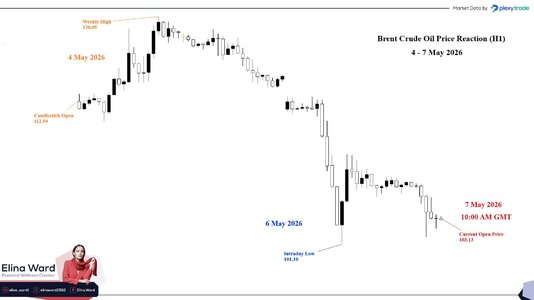
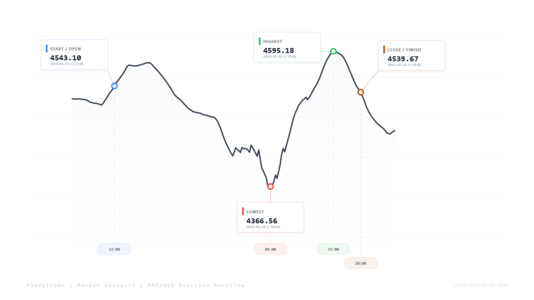
The chart below illustrates Brent Crude Oil’s 1-hour candlestick price reaction from April 27 through April 30, including the move into the current candlestick that opened at 08:00 AM GMT.