Iran War and the Impact on Oil

  • Thread starter Thread starter timsk
  • Start date Start date
  • Watchers Watchers 6


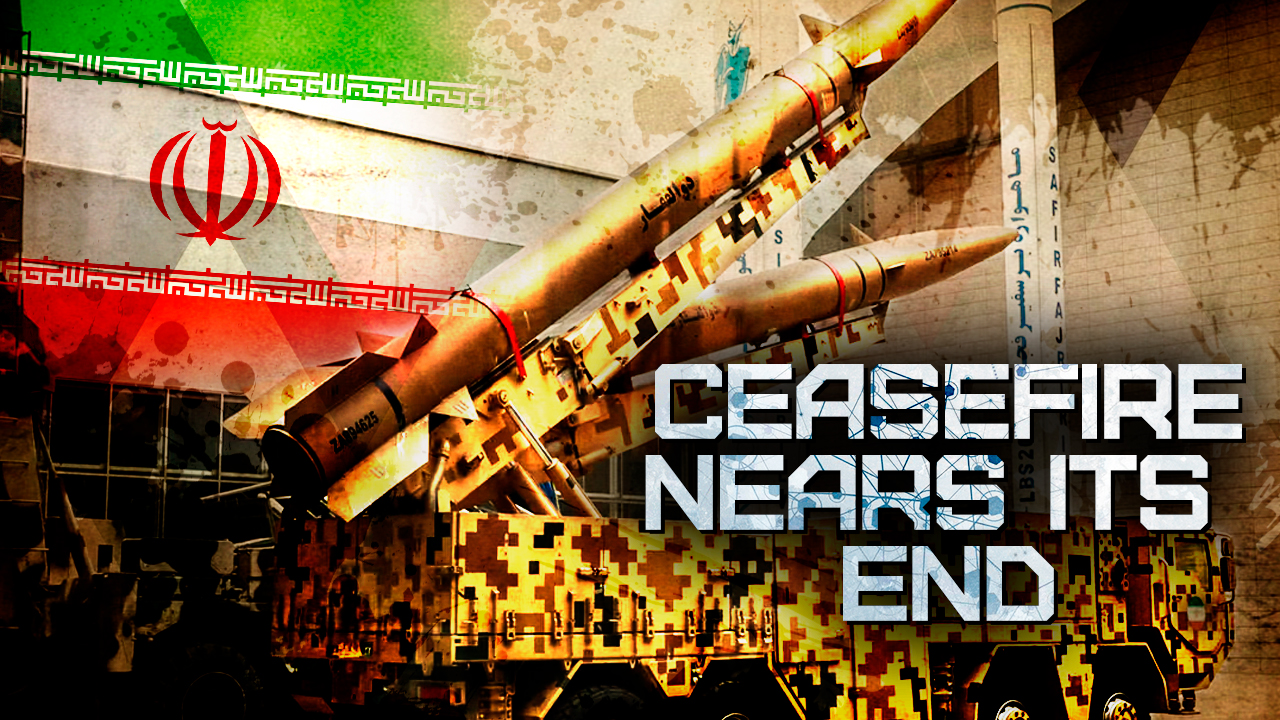
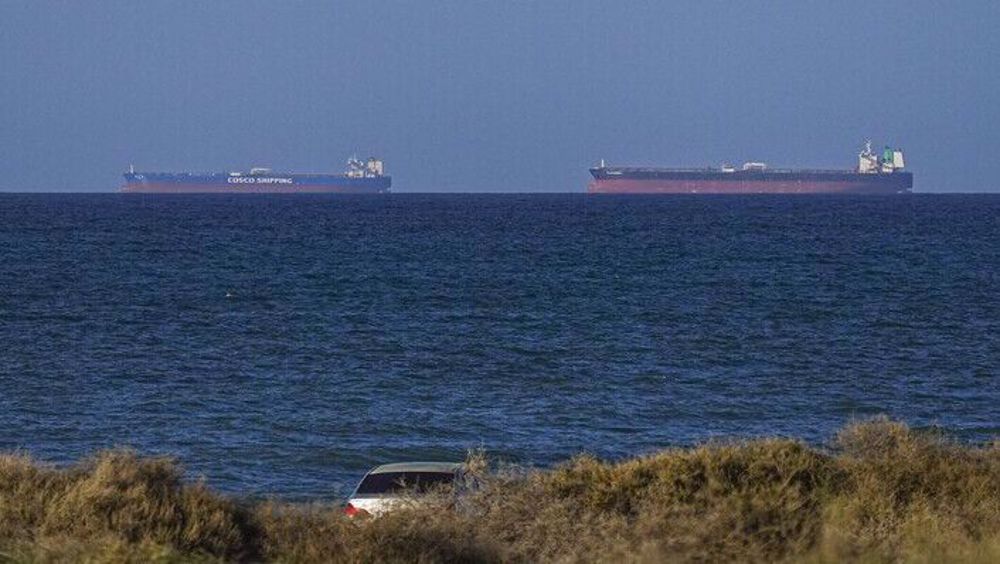
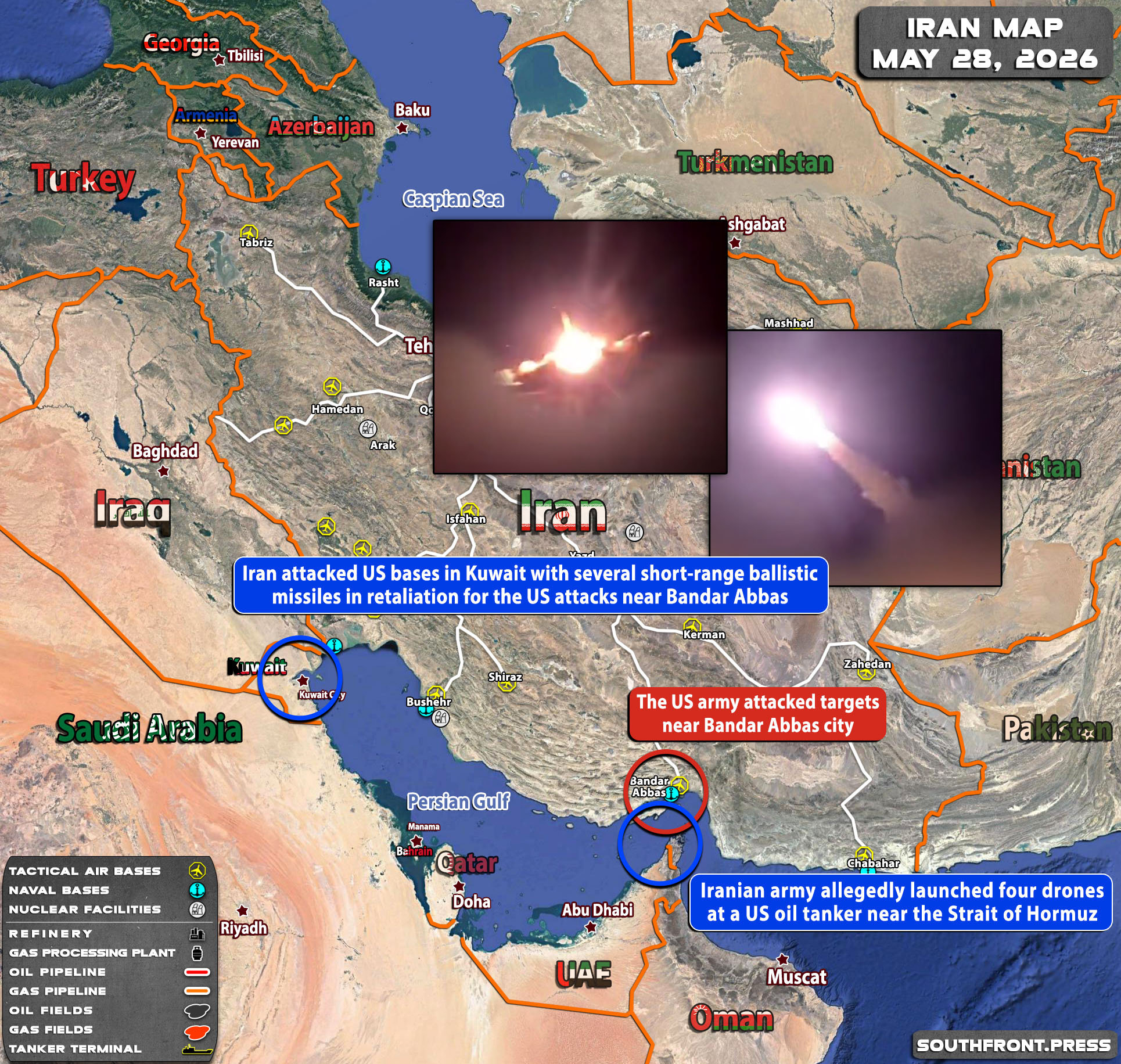
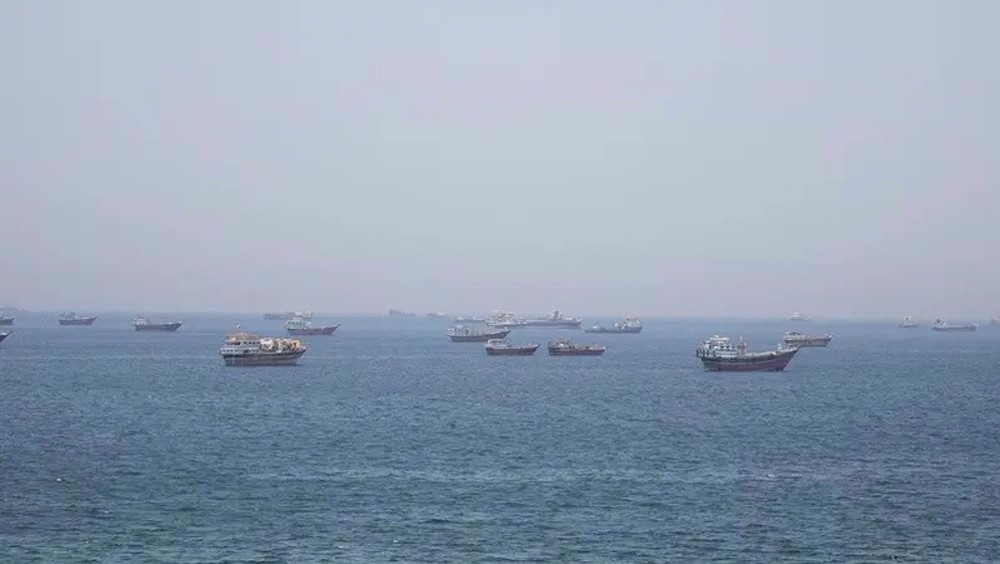
There is talk about the US maintaining the blockade on the straits for good few months, with their objectives being to cause supply shortages and suffering to make Iran accept their daft total surrender such that a puppet regime can be implemented with a view to syphoning Iranian oil by US corporations.

The other side of the coin is maintaining the fleet and all the costs entailed with troop changes and morale on the US power. With elections nearing and Trump's popularity falling, how long can the US public sustain support if any for this futile war started by Israel?

All at the same time as benefitting both Russia and China because, oil flows at higher prices and China is not really affected in any meaningful way. On the contrary relations between Russia and China further improving along with trade.

US has badly calculated gains and losses in this war and at the same time Israel led by Nethanyanu has clearly become the genocidal sick man of the globe.

This is a very good article which captures World Wide opinion on the US and Israel imho. Outside of the biased and highly controlled media in the West. Worth reading.


Iran Strait Talk – The Professors Are Lying To You


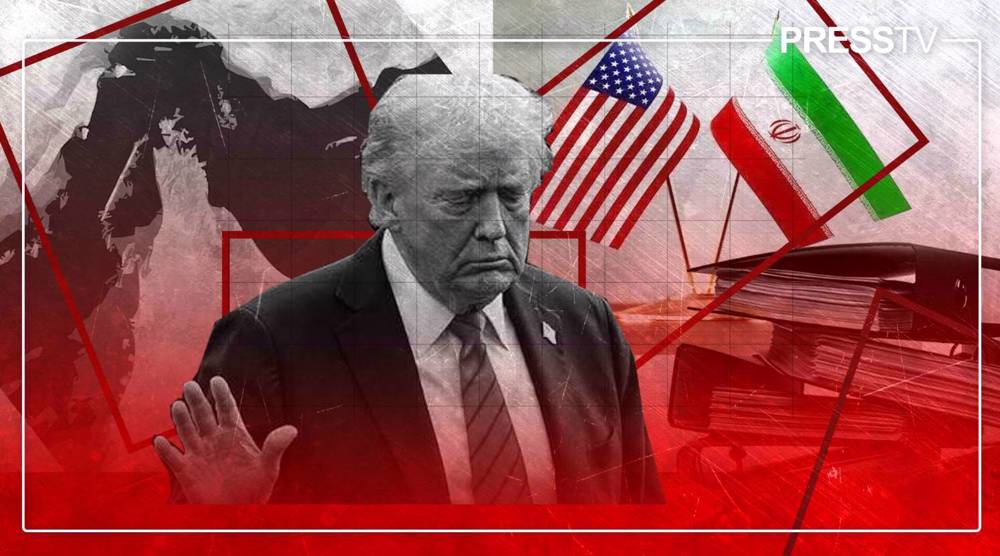
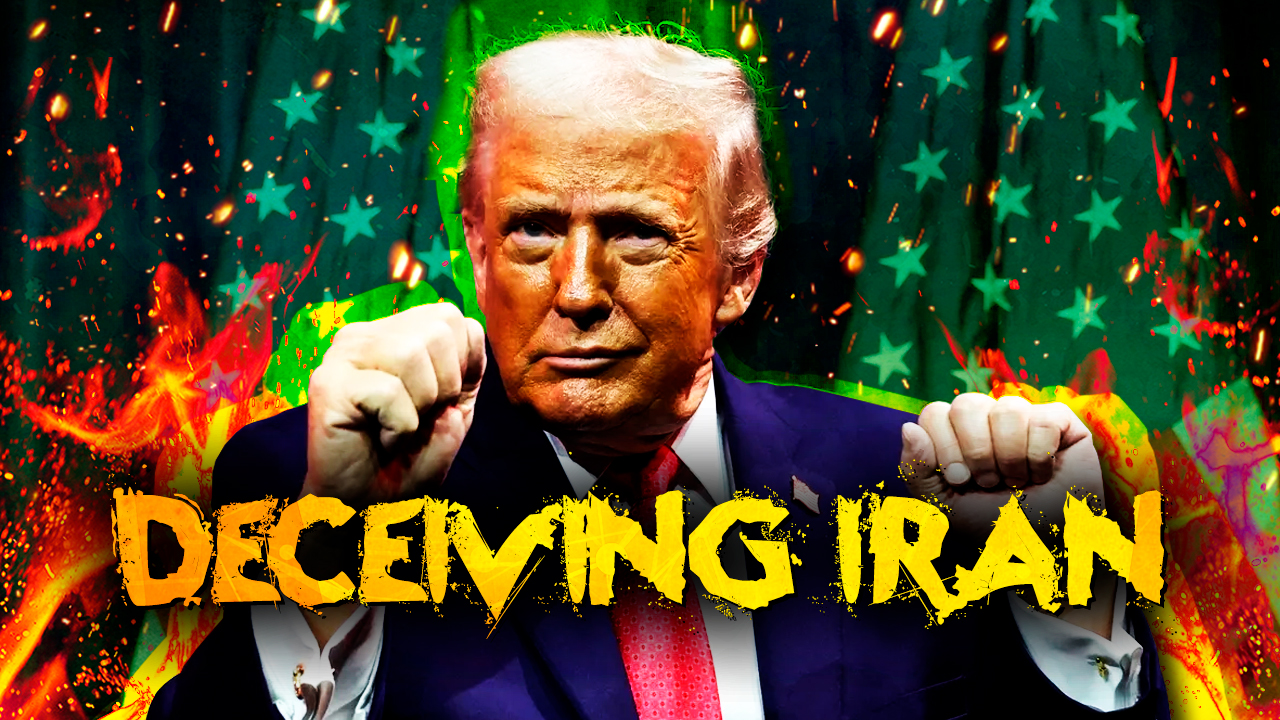
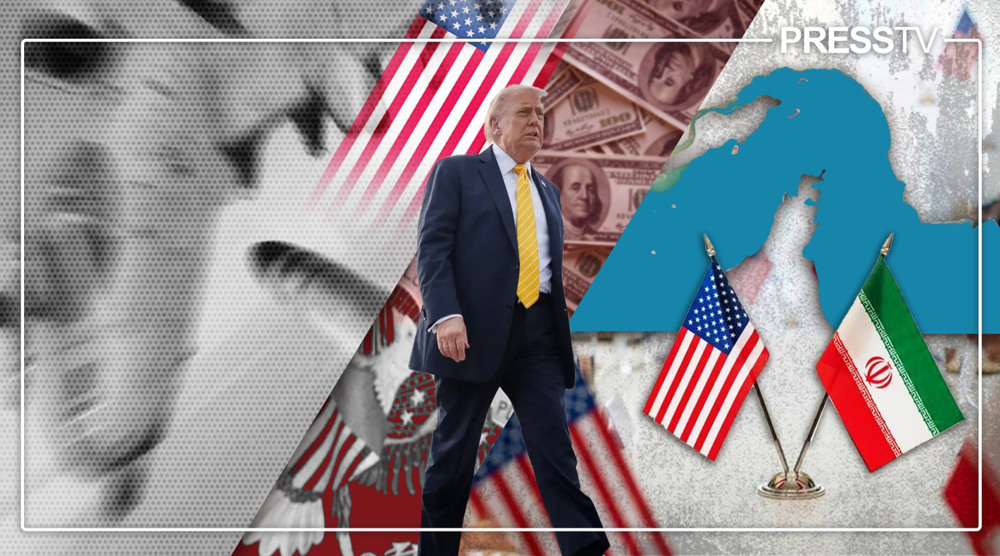
Trump_Iran.jpg


It appears that, once again,Trump has been talking to the imaginary Iranian diplomats in his head and, according to him, a peace deal is all but agreed and will be announced in a day or two. Doubtless, he told family and friends before the markets closed on Friday that he'd be making this announcement over the weekend so they could short Brent Crude in the expectation that the market gaps down on the news on Monday. Whereupon, said friends and family duly bank their profits and say thank you Mr. President.
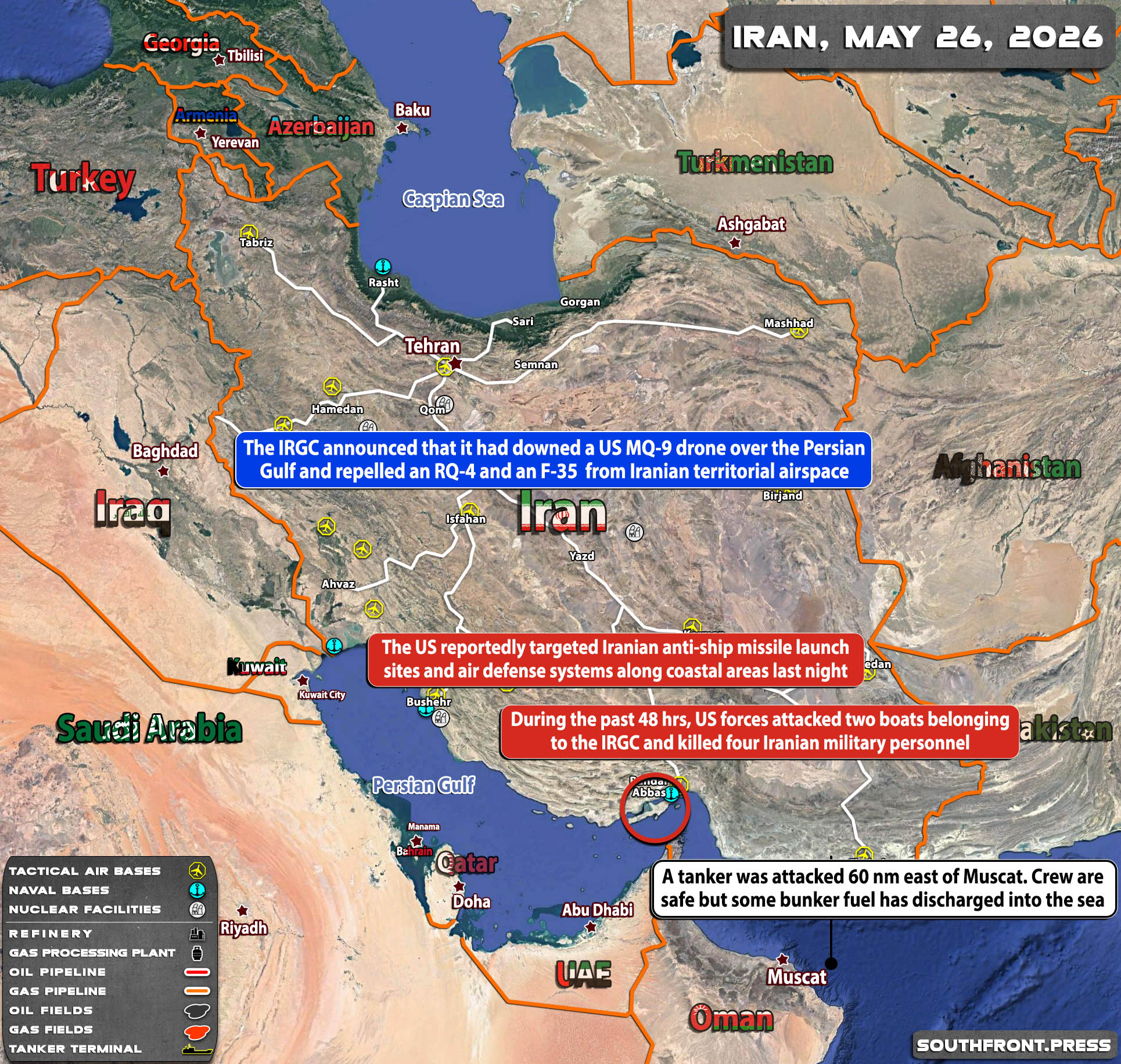
Needless to say, the real Iranian diplomats no nothing about this deal and when it becomes obvious to all and sundry that the Strait of Hormuz is no nearer to being open next week than it was last week, oil prices will, inevetably, shoot back up. How many times have we seen this play? Hopefully, I'll be proved wrong this time and there really is a deal and this complete shit show will come to an abrupt end. But I won't be holding my breath.

If my pesimistic prediuction proves to be correct - buy the dip. Daily chart of Brent Crude, below.

BRENT_2026-05-24_10-02-47.png
 
. . . It appears that, once again,Trump has been talking to the imaginary Iranian diplomats in his head and, according to him, a peace deal is all but agreed and will be announced in a day or two. Doubtless, he told family and friends before the markets closed on Friday that he'd be making this announcement over the weekend so they could short Brent Crude in the expectation that the market gaps down on the news on Monday. Whereupon, said friends and family duly bank their profits and say thank you Mr. President. . .
Well, Trump's family and friends will be disppointed by the opening gap down, currently trading a paltry $5.00 below Friday's close.

Assuming no news emerges from official Iranian channels suggesting that a peace deal is being brokered, price will start to rise and the (small) gap will get filled in the coming days. Time to get back in if you've been stopped out or, if not, to add to your existing long position.

BRENT_2026-05-25_07-30-14.png
 
Last edited:
A 'nail on head' assessment of the current state of play from the ever excellent Prof. John Mearsheimer. Enjoy . . .


The Oil Trade
Price is currently trading around the $95.00 mark, having drifted lower in the last few days due to a possible MoU (Memorandum of Understanding) to kick the can down the road for another 60 days. The Trump administration is just trying to buy time as they can't work out how to to get out of the bind they're in. Fundamentally, nothing has changed. There's no deal on the table that both sides can agree to (U.S. and Iran) and, even if there was, Isreal would scuttle it long before it was signed. As things stand, Israel is in a much worse position now than it was before the war started, as their power and influnce is on the decline while Iran's has skyrocketed. Iran is far more likely to emerge from all of this as the regional hegemon, and the lesson leaned by Isreal's enemies is simple: get a nuclear weapon asap to stand any chance of being left in peace. You can bet your house that's exactly what Egypt and Turkey will do - or are now doing. So, Isreal's only optiuon is to keep the U.S. war machine's nose to the grindstone and continue with the war in the (vain) hope that Iran collapses under the bombardment. They will exert maximum pressure on the Trump administration to force that outcome, using the 'Three Bs' (blackmail, bribery and blow jobs).

So, what about the price? If a MoU is reached in the coming days, price could well fall lower. But, only temporarily. Why? For two reasons. Firstly, as already stated, the fundamental issues remain unresolved. Secondly, the ceasefire is in name only. As we've seen, it's been broken loads of times already and Israel has intensified its attacks on Lebanon which the Iranians have insisted - and will continue to insist - must form part of any long term peace agreement. So, when the cracks begin to widen and when the horse trading reveals yet again just how far apart the U.S. and Iran really are, price will rise substantially. Aggresive traders will add to their longs; more conservative ones will sit on the sidelines to see if/when and how the MoU plays out and if the Strait of Hormuz is properly re-opened and starts to operate normally. That's highly unlikely IMO but, if it were to happen, price could drop back down to the lower support level of $80.50. As much as he'd like to, Trump can't kick the can down the road indefinitely, the Iranians won't allow it and will force his hand. It's at that point when price will shoot back up from whence it came: $120.00 or higher.

Daily chart of Brent Crude, below.

BRENT_2026-05-29_07-06-42.png
 
Last edited:


The Oil Trade
Price is currently trading around the $95.00 mark, having drifted lower in the last few days due to a possible MoU (Memorandum of Understanding) to kick the can down the road for another 60 days. The Trump administration is just trying to buy time as they can't work out how to to get out of the bind they're in. Fundamentally, nothing has changed. There's no deal on the table that both sides can agree to (U.S. and Iran) and, even if there was, Isreal would scuttle it long before it was signed. As things stand, Israel is in a much worse position now than it was before the war started, as their power and influnce is on the decline while Iran's has skyrocketed. Iran is far more likely to emerge from all of this as the regional hegemon, and the lesson leaned by Isreal's enemies is simple: get a nuclear weapon asap to stand any chance of being left in peace. You can bet your house that's exactly what Egypt and Turkey will do - or are now doing. So, Isreal's only optiuon is to keep the U.S. war machine's nose to the grindstone and continue with the war in the (vain) hope that Iran collapses under the bombardment. They will exert maximum pressure on the Trump administration to force that outcome, using the 'Three Bs' (blackmail, bribery and blow jobs).

So, what about the price? If a MoU is reached in the coming days, price could well fall lower. But, only temporarily. Why? For two reasons. Firstly, as already stated, the fundamental issues remain unresolved. Secondly, the ceasefire is in name only. As we've seen, it's been broken loads of times already and Israel has intensified its attacks on Lebanon which the Iranians have insisted - and will continue to insist - must form part of any long term peace agreement. So, when the cracks begin to widen and when the horse trading reveals yet again just how far apart the U.S. and Iran really are, price will rise substantially. Aggresive traders will add to their longs; more conservative ones will sit on the sidelines to see if/when and how the MoU plays out and if the Strait of Hormuz is properly re-opened and starts to operate normally. That's highly unlikely IMO but, if it were to happen, price could drop back down to the lower support level of $80.50. As much as he'd like to, Trump can't kick the can down the road indefinitely, the Iranians won't allow it and will force his hand. It's at that point when price will shoot back up from whence it came: $120.00 or higher.

Daily chart of Brent Crude, below.

View attachment 347064


You are right again old bean, news coming out Iran has left the negotiation table as US is not interested in negotiations and Israel continues to grab Palestinian and Lebanese land.

Negotiations are just time wasting and re-arming period so it seems.

France not happy with what's going on in Lebanon.


Singapore Sensation: Hegseth's Silence Reveals Systemic Crisis in US Military


Who Shapes Public Opinion in Israel — And Who Pays for It?


The Oil Trade
. . .So, what about the price? If a MoU is reached in the coming days, price could well fall lower. But, only temporarily. Why? For two reasons. Firstly, as already stated, the fundamental issues remain unresolved. Secondly, the ceasefire is in name only. As we've seen, it's been broken loads of times already and Israel has intensified its attacks on Lebanon which the Iranians have insisted - and will continue to insist - must form part of any long term peace agreement. So, when the cracks begin to widen and when the horse trading reveals yet again just how far apart the U.S. and Iran really are, price will rise substantially. Aggresive traders will add to their longs; more conservative ones will sit on the sidelines to see if/when and how the MoU plays out and if the Strait of Hormuz is properly re-opened and starts to operate normally. That's highly unlikely IMO but, if it were to happen, price could drop back down to the lower support level of $80.50. As much as he'd like to, Trump can't kick the can down the road indefinitely, the Iranians won't allow it and will force his hand. It's at that point when price will shoot back up from whence it came: $120.00 or higher.
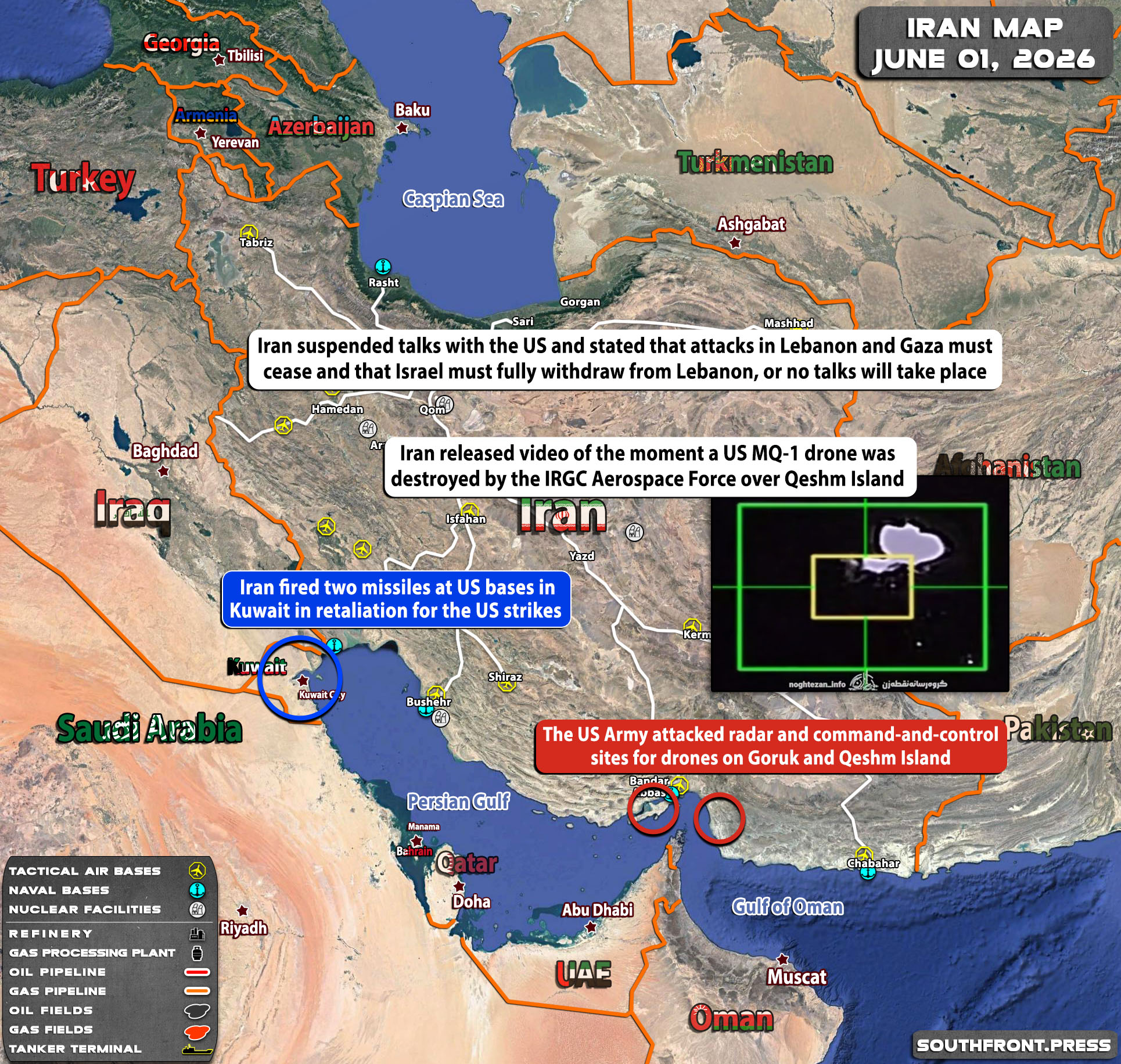
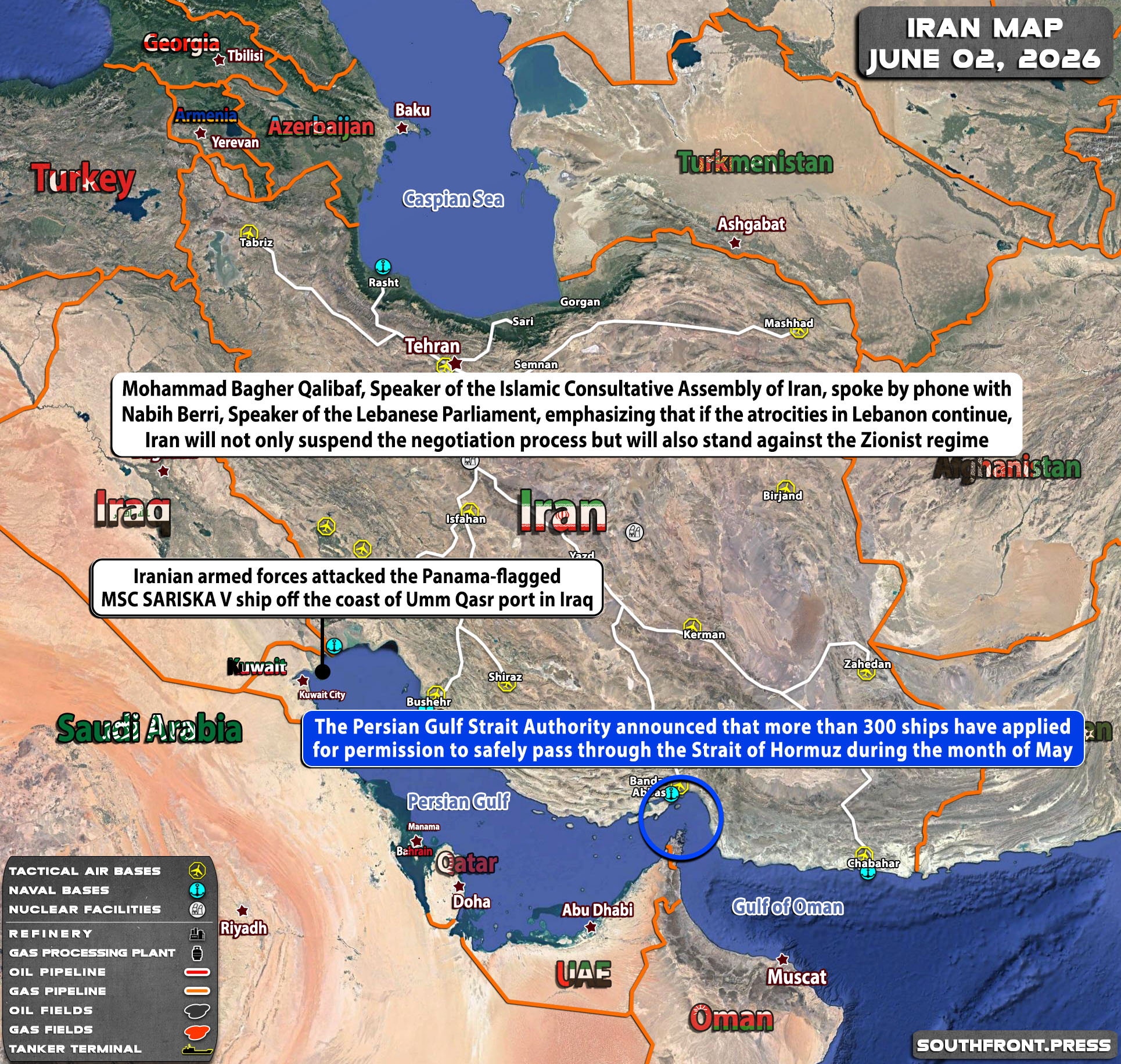
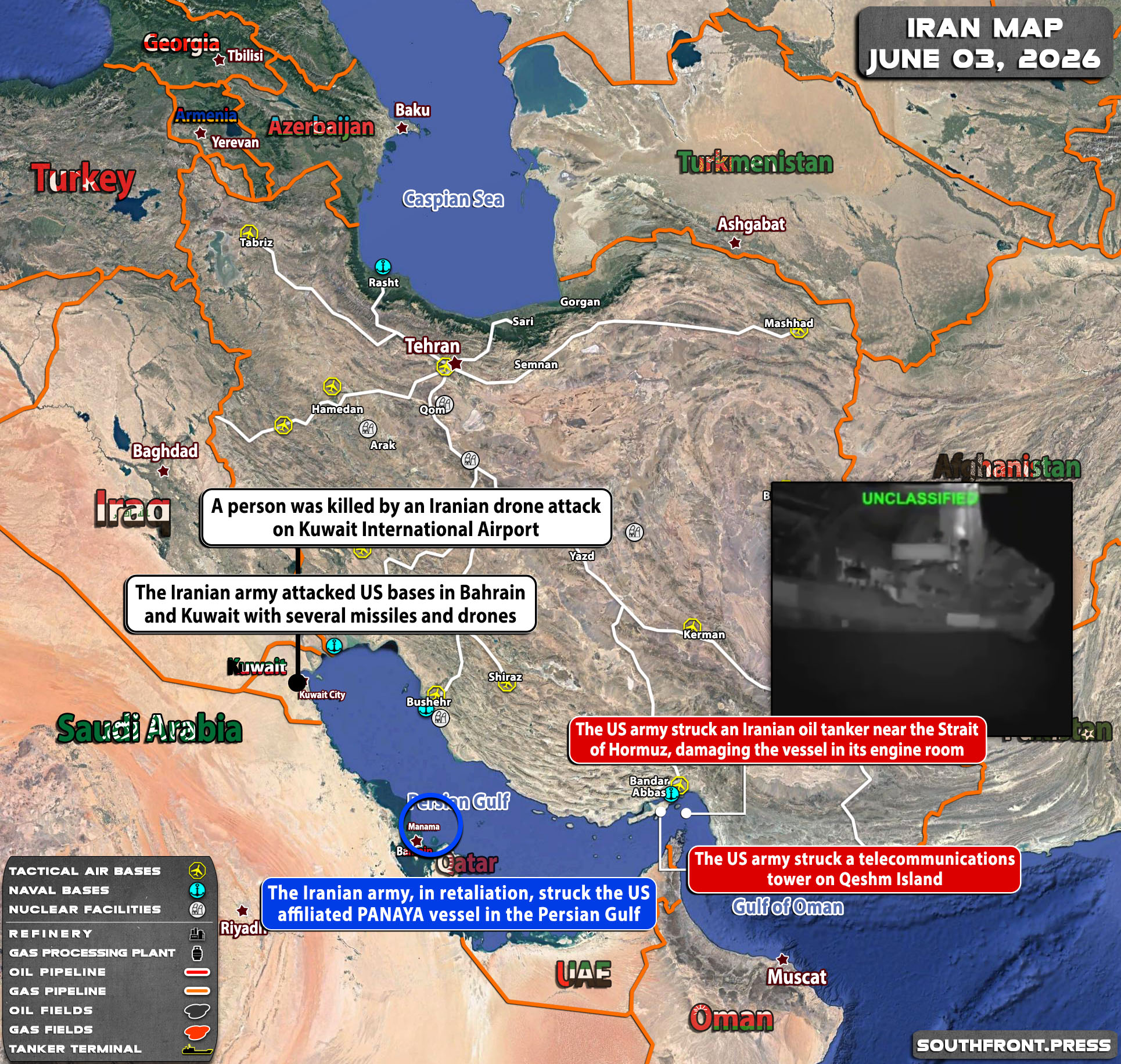
Since my post above, there has been an important development: No MoU and Iran has completely withdrawn from negotiations with the U.S. Consequently, price appears to have bottomed out and is starting to rise again. It appears to me there are only three ways this fiasco can play out in the coming months. Take your pick on which one you think is the most probable. . .
1. Peace breaks out with hugs 'n kisses all round
2. The current uneasy limboland status quo drifts on
3. Return to full on kinetic war

1. Peace breaks out with hugs 'n kisses all round
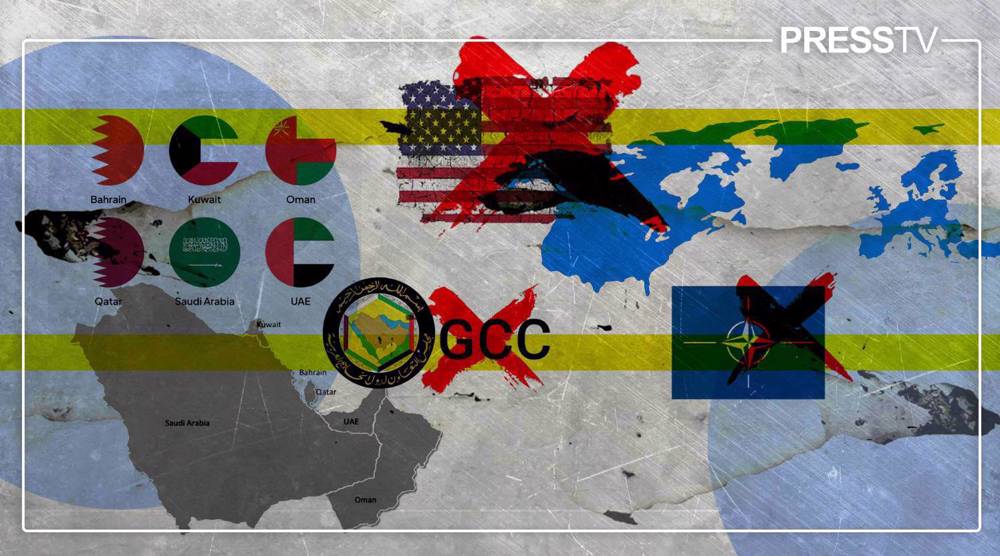
The Iranians would welcome this, the Americans would pretend to and the Israelis would hate it. The Iranians want to be left in peace, secure in the knowledge that the U.S. and Israel won't attack them in the future. Even if a peace deal with this outcome is on the table, can they ever trust the other signatories? The U.S. wants regime change in Iran and to bring it under its control - just as it's done with the other GCC countries. This supports the petrodollar and limits China's influence and access to the region's oil. This won't ever happen while the IRGC rule Iran. Ultimately, sooner or later, the U.S. will try to instigate regime change in the country.

Israel views Iran as an existential threat (and visa versa), so it absolutely does not want a peace settlement now. They view this as possibly their last window of opportunity to destroy Iran and render it a failed state. Israel's popularity in the U.S. is waterfalling and, when Trump's gone, the next U.S. president is unlikely to be so subservient, so malleable, so compliant and willing to dance to Israel's tune. It's now or possibly never for them.

2. The current uneasy limboland status quo drifts on
This benefits Iran as it gives them time to rebuild and re-arm. In the meantime, they're generating a healthy income via tolls on the Strait of Hormuz (SoH). They have emerged much stronger - the 4th major world power some say - and so long as they can continue to withstand the crippling U.S. sanctions, they can live with the status quo. Trump insists he's in no hurry for a deal. He doth protest much too much! He's desperate for a deal. Why? Keeping U.S. forces in the region is costing a fortune. But that's minor compared to the impact on the global economy, due to the closure of the SoH. Many economists are saying that a recession in the U.K. is baked in by year end. Some are even saying that if the SoH isn't fully open and maritime traffic flowing normally by the end of July, then a global depression is on the cards. Allied to this are the forthcoming mid-term eelections. Trump's approval rating is plummeting while 'gas' prices are rising. He has to do something soon to stop the rot or he's toast and his presidency will end in complete failure. As for Israel - it can live with the status quo as they couldn't give a fig about the global economy or anyone/anything else for that matter.

3. Return to full on kinetic war
The Iranians don't want this but are absolutely prepared for it - they expect it, even. And, if it does kick off, their response will be utterly devastating. Infrastructure across GCC countries (especially U.A.E.) will be destroyed, possibly including desalination plants. The global economy will be shattered. Israel wants a kinetic war for the reasons already stated, as they view this option as being their best chance to destroy Iran. So, they'll continue to attack Lebanon because they know that no peace deal will be made without Lebanon being included. The U.S. isn't keen on this option as they've tried it once and it didn't work and there's nothing to suggest that it'll work next time. Also, they're running low on missiles and when they're gone - they're gone. They couldn't sustain a high intensity attack for very long. So, the gamble is simply too great and the downside risk if it doesn't work is off the richter scale.

In a nutshell, that's my assessment. Option 1 won't happen because Israel won't allow it to happen. That leaves options 2 and 3: the current status quo or a return to war. Both of these will push up the oil price. How can they not? There's no off-ramp for Trump: neither the Iranians nor the Israelis will give him one. The only thing he could do is to declare victory, pull all U.S. forces out of the region and go home. Prof. Jeffrey Sachs argues this is Trump's only viable option and, if he does this, that the Chinese and the Russians will pressurise the Iranians to open up the SoH. Iran will likely agree to this as world opinion is now very much with them rather than against them and they'll want to retain that going forward and keep the Chinese and Russians very much on side.

Daily Brent Crude chart below. If you agree with my analysis, now is as good a time as any to load up your long position. If you don't agree with it - please tell me where I'm going wrong! The bottom line as I see it is that if Trump doesn't pull out and the status quo lingers on or, worse still, kinetic war resumes, price will drift up as world strategic oil reserves run dry and the impct on agriculture filters through, due to the lack of fertilizers etc. Under these circumstances, I predict $200.00 a barrel by year end.

BRENT_2026-06-03_10-18-58.png
 
Last edited:
Back
Top