A non-partisan research post - London
---------------------------------------------------
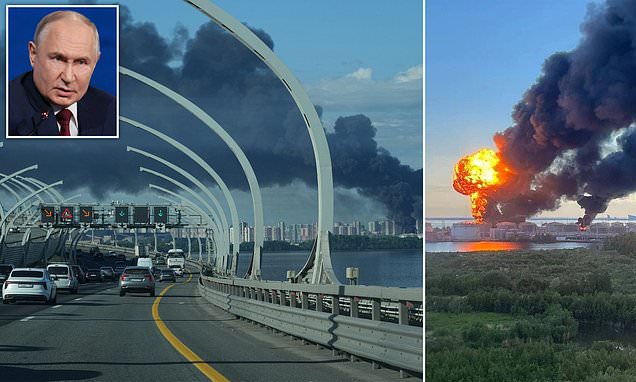
Vladimir Putin has suffered a fresh wave of war humiliation amid warnings that his unaffordable conflict with
Ukraine is pushing his economy to the brink of collapse.
Russia's Finance Ministry and its central bank has projected the government's budget deficit widening to a dangerous level if the Kremlin continues at the current rate of defence expenditure, according to Bloomberg.
The stark warning came as Putin suffered further setbacks on the frontline, where the tide of the war is increasingly turning in Ukraine's favour.
And authorities in Crimea are urging citizens not to panic amid ongoing
petrol shortages with pictures showing queues of cars waiting at gas stations.
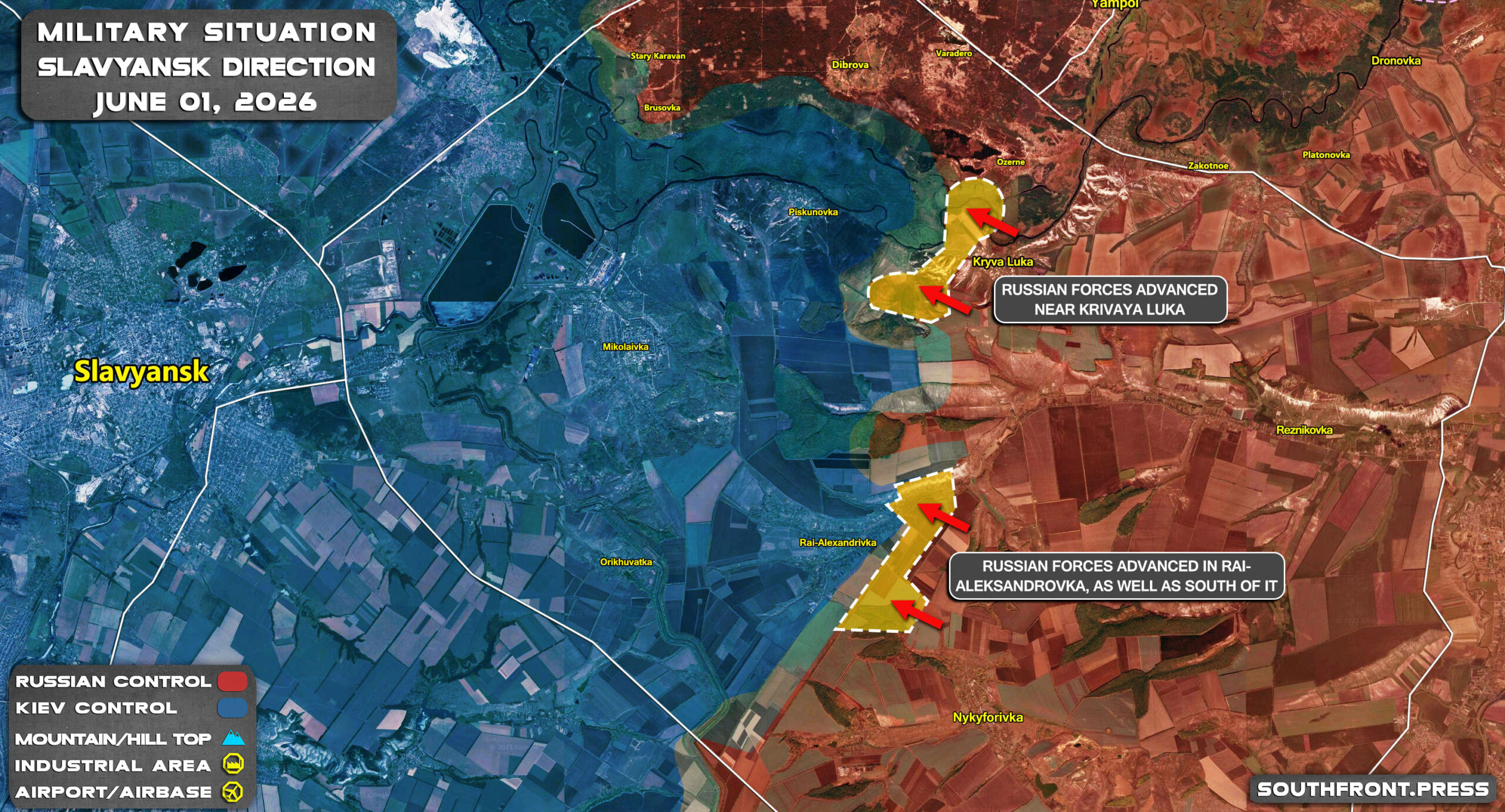
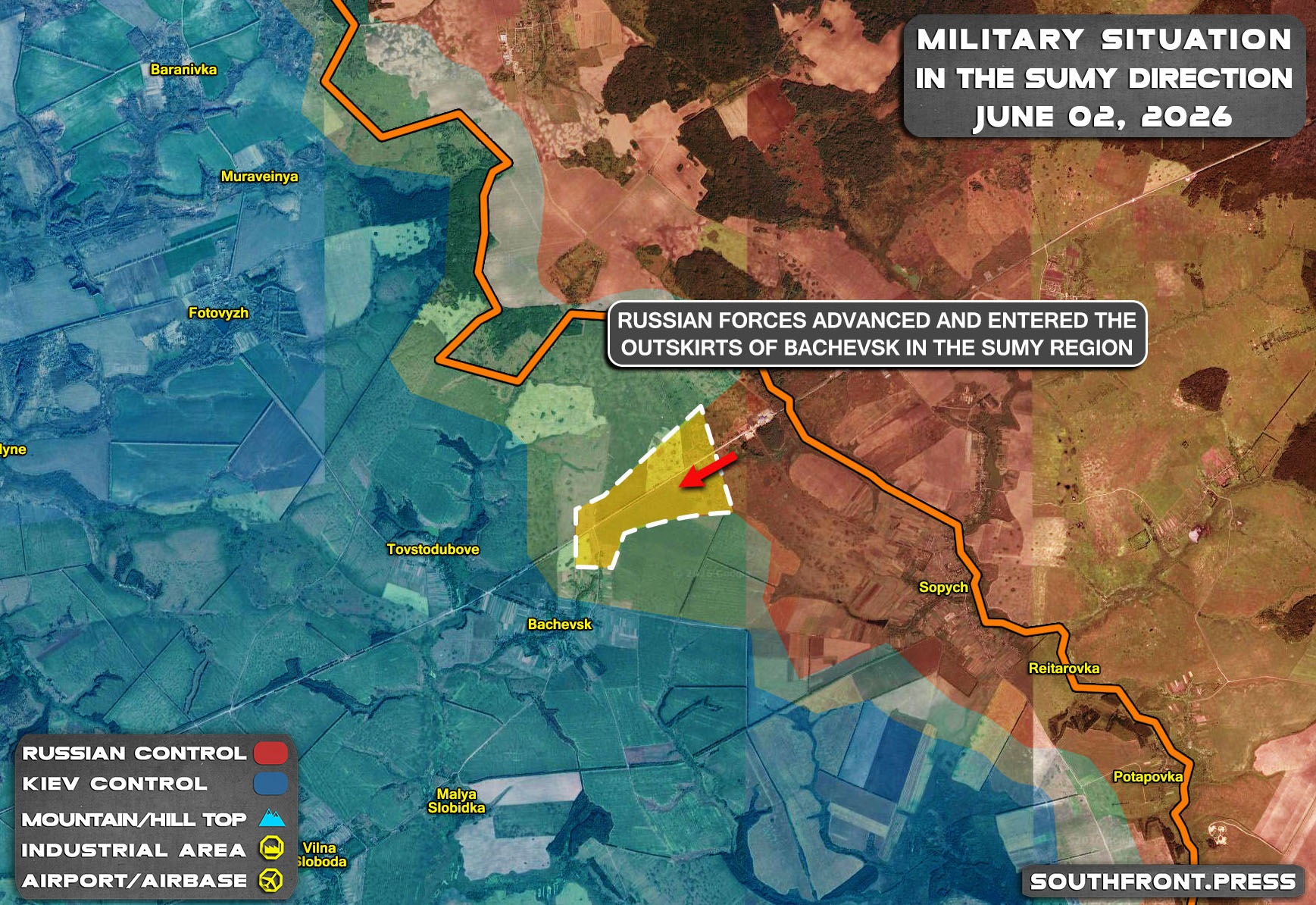
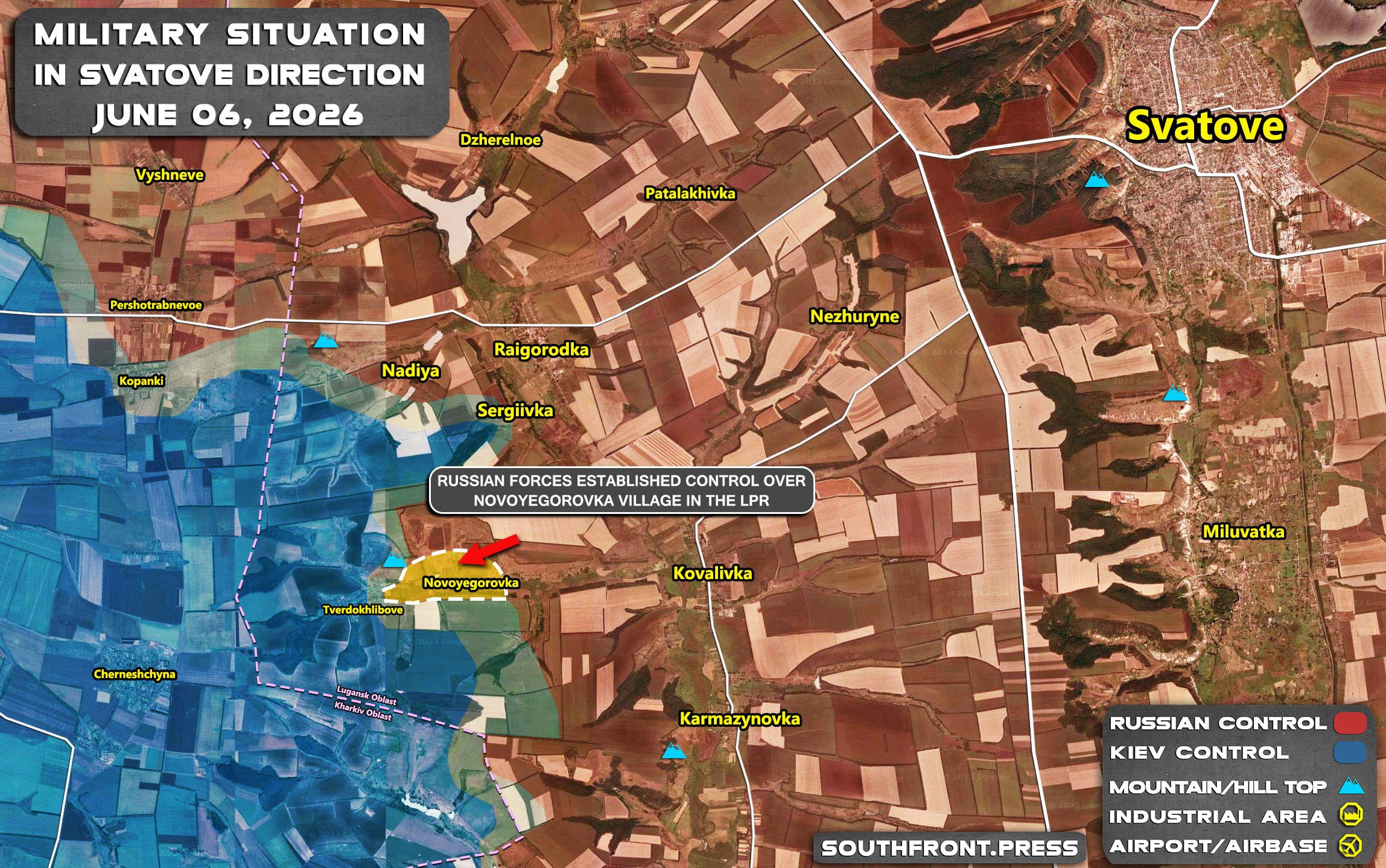
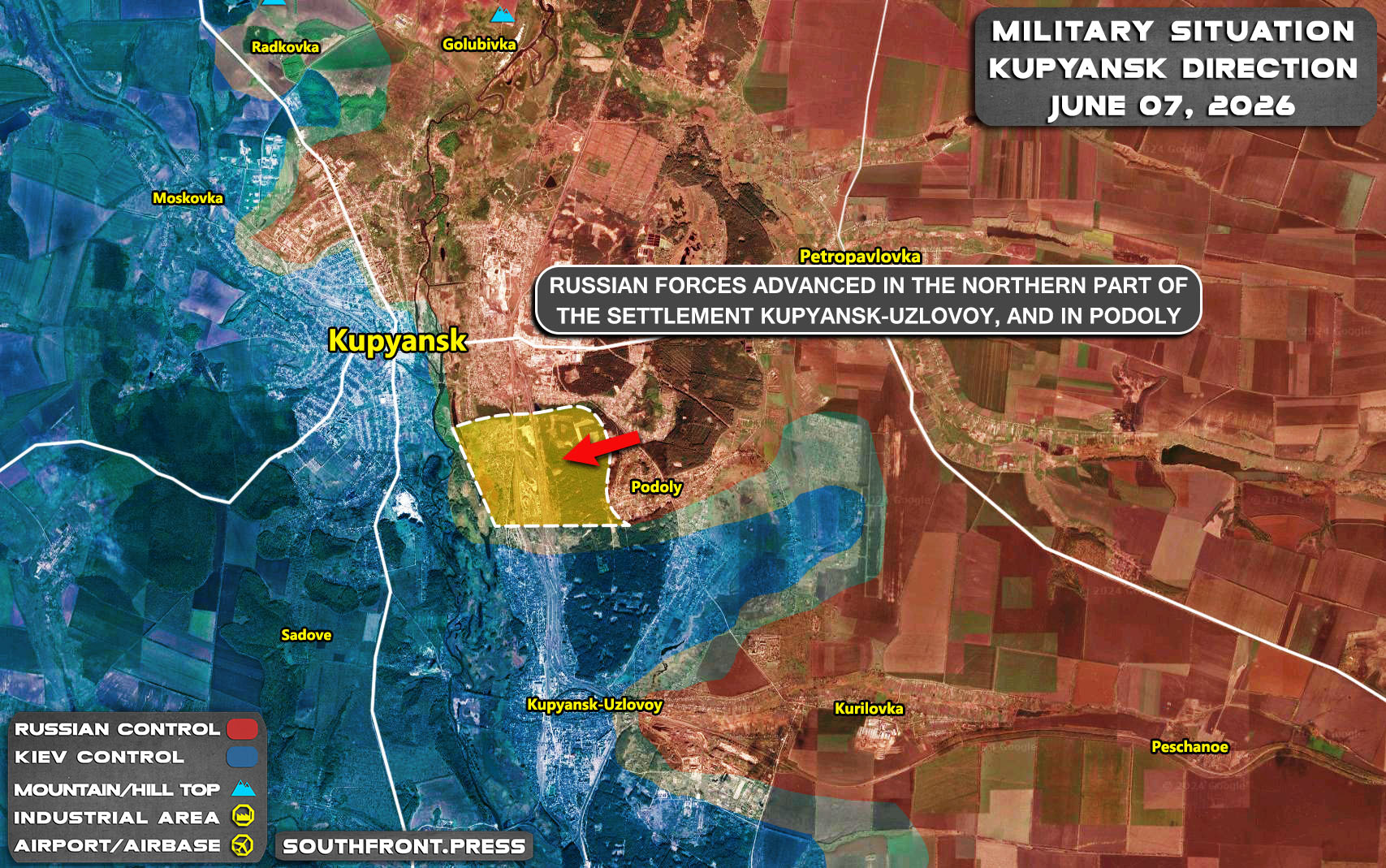
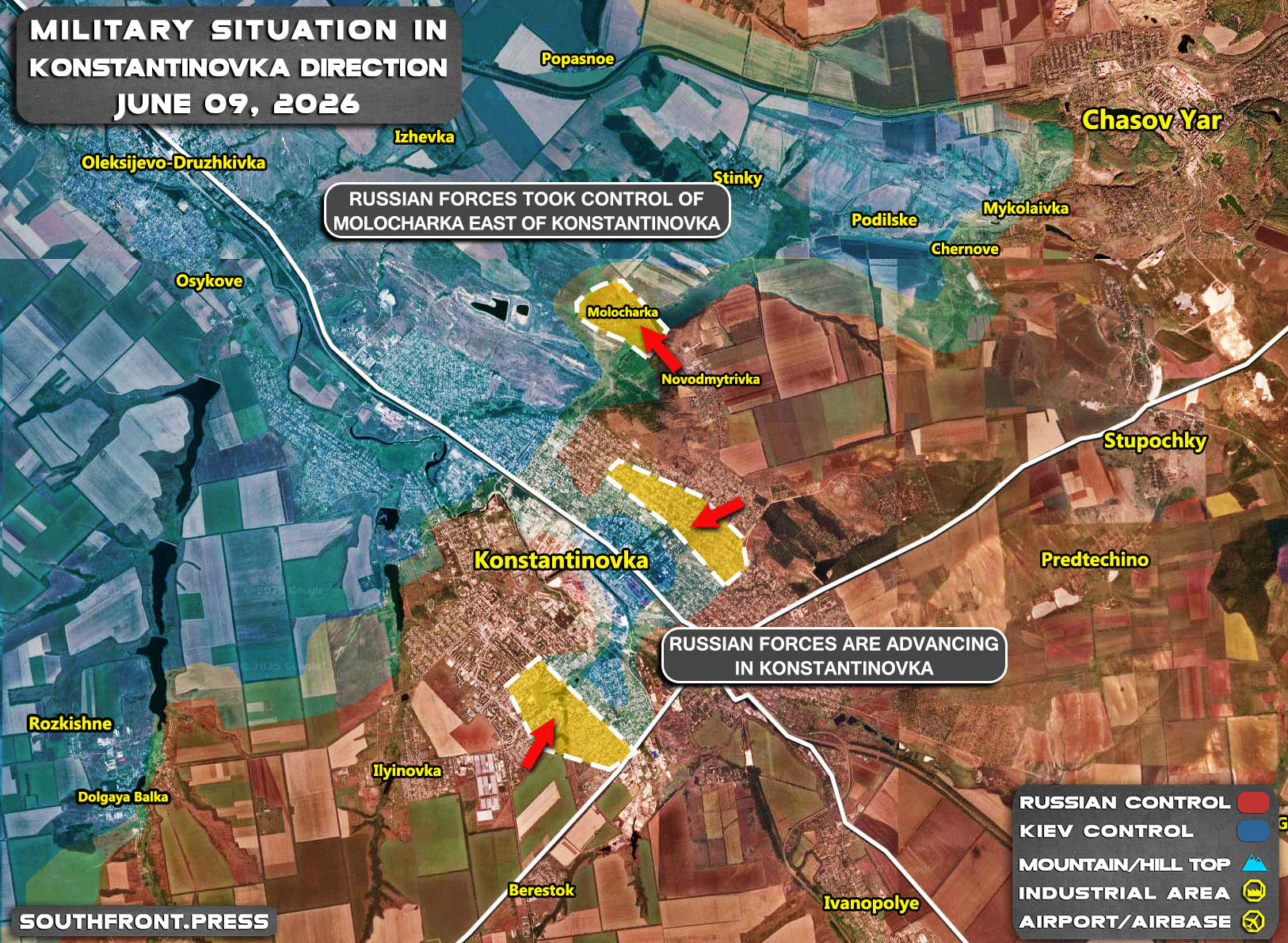
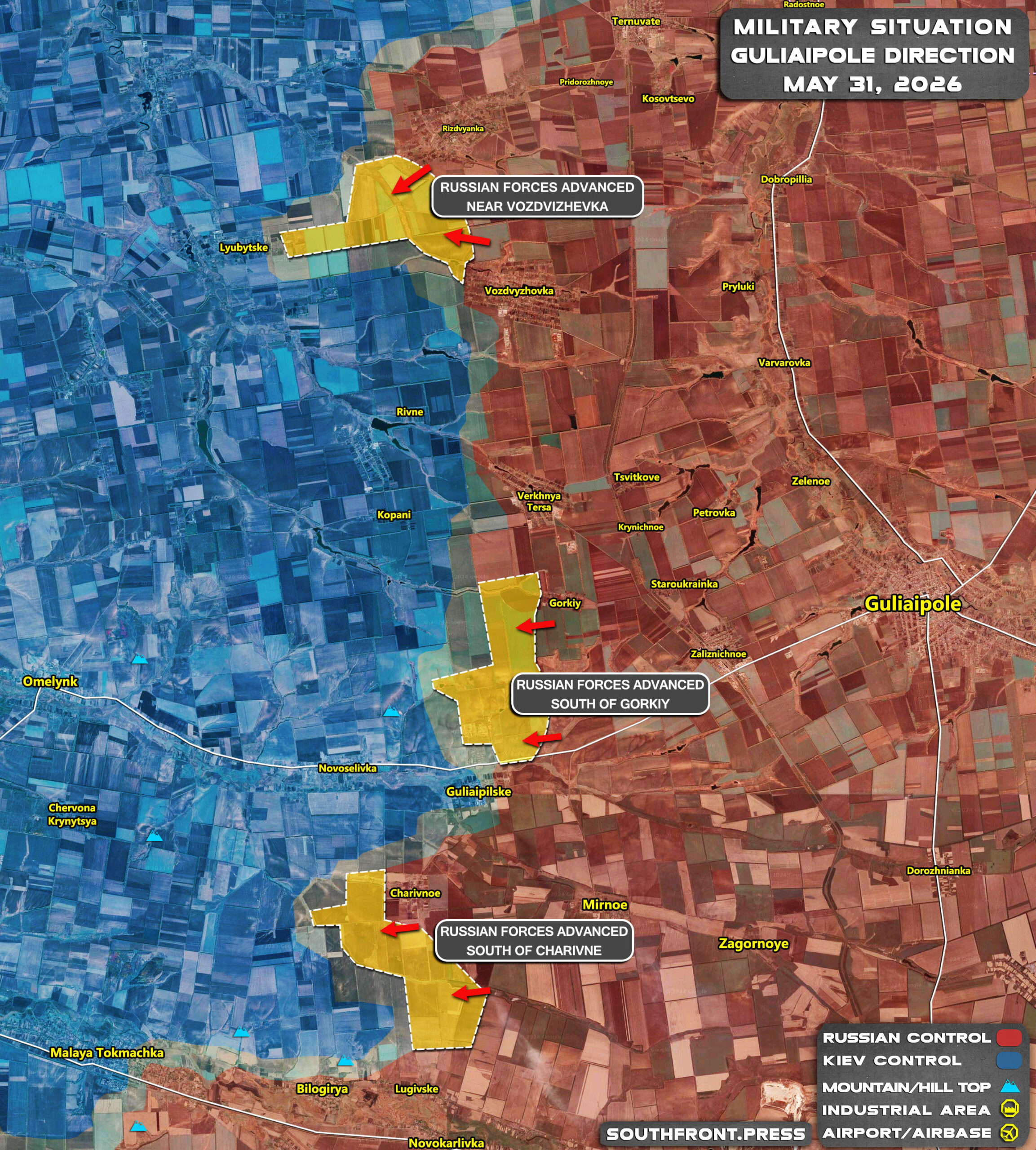
Russian troops have lost territory for the second straight month in a row with analysis of data from the Institute for the Study of War (ISW) showing that Ukraine retook control of more land than it lost to Putin's forces in May.
Ukraine's army gained a net 282 square kilometres (109 square miles) over the month, the data showed, as
Kyiv hails its improving fortunes on the sprawling battlefields across the south and east of the country.
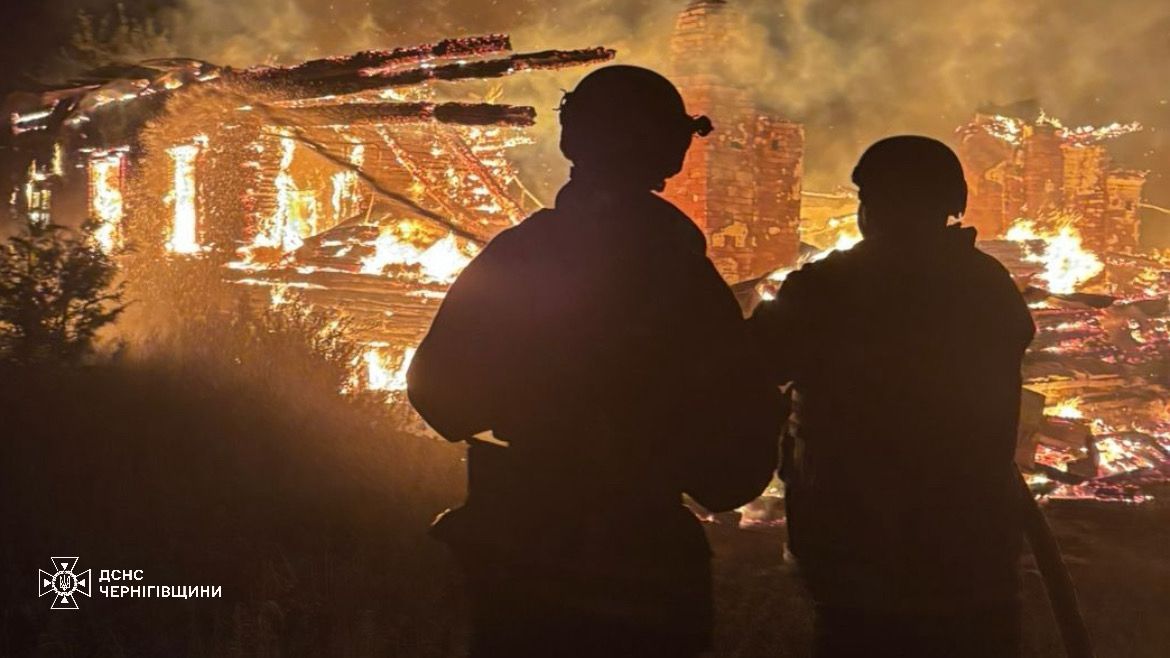
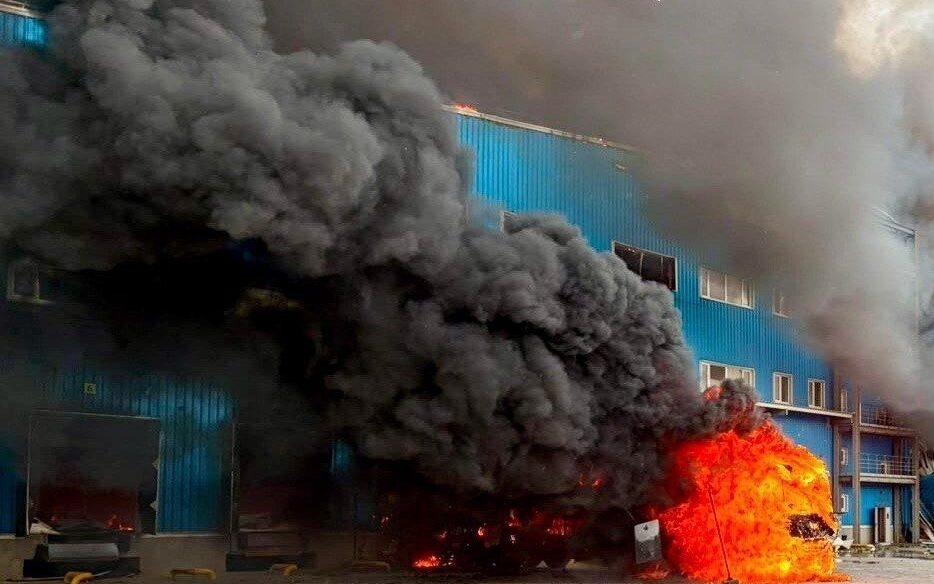
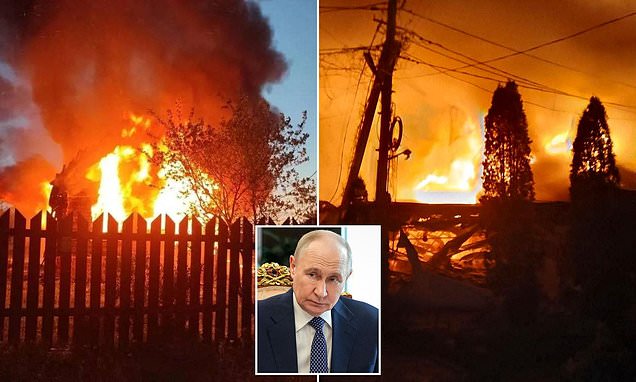
However, it has not stopped the Kremlin's relentless bombardment of its neighbour with a huge overnight barrage of missiles and drones killing at least 11 people, injuring dozens and trapping others.
Domestically, cuts have been proposed to defence spending, with officials advising it will be difficult to fix Russia's stretched finances without finding a solution.
However, disagreement among policymakers has emerged, with senior Defence Ministry figures and some Kremlin officials committed to fulfilling Putin's wartime objectives arguing that military spending should be shielded from cuts.
They argue that reducing defence expenditure would inflict significant harm on the economy, given the large number of businesses that depend on military contracts.
According to several people familiar with the discussions, Putin has instructed Finance Ministry officials to identify savings in other areas of the budget before considering reductions to defence spending.
The sources said the scale of these concerns has not previously been disclosed publicly.
And two people close to Putin's government have revealed that the Defence Ministry is demanding extra funding.
Officials said defence spending may need to rise further this year to cover a budget gap that could reach three trillion rubles (£31billion).
Putin has reportedly been briefed on mounting fiscal pressures since last year, meaning the current difficulties have not come as a surprise to him.
They said any decision on the scale of spending reductions ultimately rests with the president, who has the final say on all major budget matters.
When work began on the 2026 budget, officials were already aware that a funding shortfall of between 1.2trillion and 1.5trillion rubles could emerge during the second half of the year.
Those funds were expected to be required if military spending needs increased.
Sources close to the Russian government said planners had initially assumed the war in Ukraine might be drawing to a close following the meeting between Putin and US President Donald Trump in Alaska last August.
Under that scenario, cutting defence expenditure later in 2026 appeared a reasonable expectation.
The debate over spending priorities began before the outbreak of the US-Iran conflict and has continued since, remaining under active consideration by Putin and senior officials.
The discussions reflect growing concern within the government as Russia's economy comes under increasing pressure during the fifth year of the full-scale war, forcing the Kremlin to weigh difficult financial and political choices.
Those familiar with the matter said higher oil prices driven by the conflict in Iran are unlikely to provide a lasting solution.
In their view, crude would need to remain above $100 a barrel for at least a year to deliver a meaningful boost to the economy.
Even then, they argued, deeper structural problems affecting economic growth, inflation and the banking sector would remain unresolved.
Under the Economy Ministry's three-year budget framework extending to 2028, defence spending was expected to stay largely unchanged.
After rising by around 30 per cent in recent years to support a major increase in weapons production, industries dependent on state defence contracts were forecast to grow by only 4 to 5 per cent in 2026.
And after cutting its growth forecast in December, Russia is swaying towards recession.
The Economy Ministry expects gross domestic product to expand by 0.4 per cent this year, down from a previous estimate of 1.3 per cent.
The deteriorating forecast came after Putin in April demanded answers from his officials as to why the economy was performing poorly.
The admission that the economy was facing issues appeared to signal his anger that officials had not managed to avoid a slowdown.
Russia's budget deficit has reached an unprecedented level despite a rise in oil revenues linked to the conflict in the Middle East.
Official data shows the shortfall for the first four months of the year climbed to 5.9trillion rubles, equivalent to 2.5 per cent of GDP, around half again as large as the government's target for the entire year.
The budget has recorded deficits in each of the past four years, including a 5.6trillion ruble gap in 2025.
Although the current deficit remains below the 3.8 per cent of GDP recorded during the pandemic in 2020, Russia's economy is now operating under far greater pressure from sanctions, while liquid reserves in the National Wellbeing Fund have fallen by roughly 60 per cent compared with levels before the invasion of Ukraine.
Officials based the current budget on relatively cautious assumptions, including a slight narrowing of the deficit and a gradual reduction in military spending.
In an effort to maintain fiscal discipline and comply with the country's budget rule, the government introduced tax increases this year as part of a broader attempt to cool an economy strained by wartime spending.
Expectations that a negotiated settlement to the war might ease financial pressures have failed to materialise.
As a result, policymakers are now faced with the challenge of closing the budget gap, either by reducing spending or identifying additional sources of income.
Government officials are also sceptical that higher oil prices will persist. At the same time, the strength of the ruble has added to fiscal difficulties by reducing the value of export earnings.
Speaking last week, Finance Minister Anton Siluanov said in an interview with Kommersant that restraint was needed in public expenditure.
He said: 'Reserves are not endless. Weakness in finances cannot be tolerated in the context of such large-scale transformations in the world,' adding: 'We need to improve the efficiency of budget expenditures.'
It comes as Sergei Aksyonov, the Russian-installed head of the government of Crimea, said on Tuesday that people should be patient and calm amid gasoline shortages on the peninsula, which Russia annexed from Ukraine in 2014.
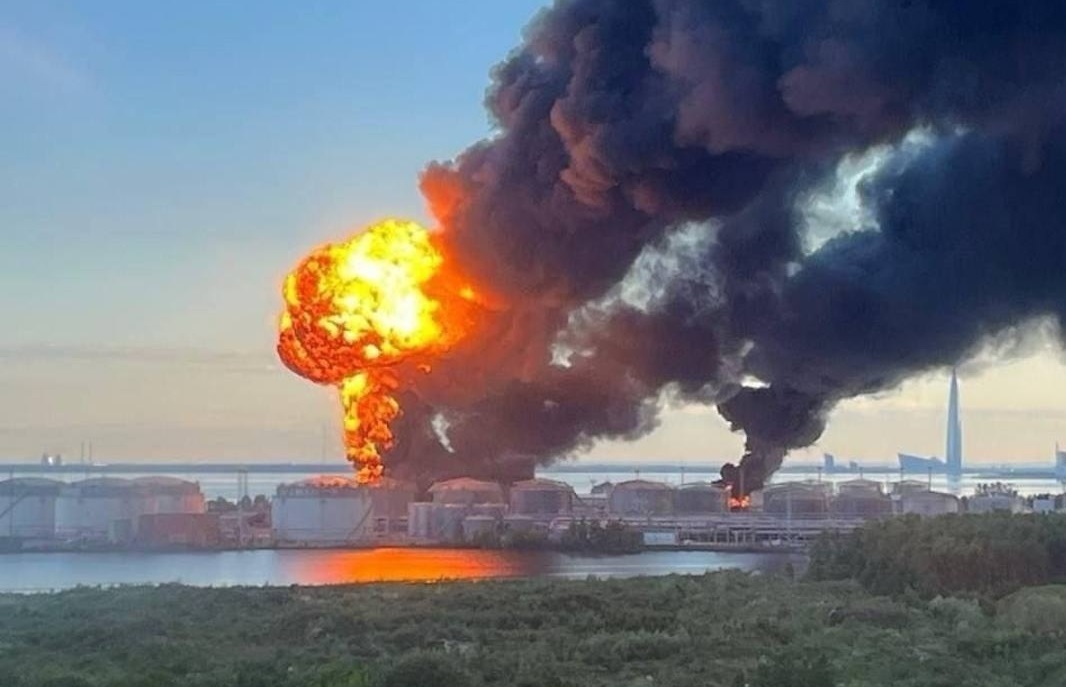
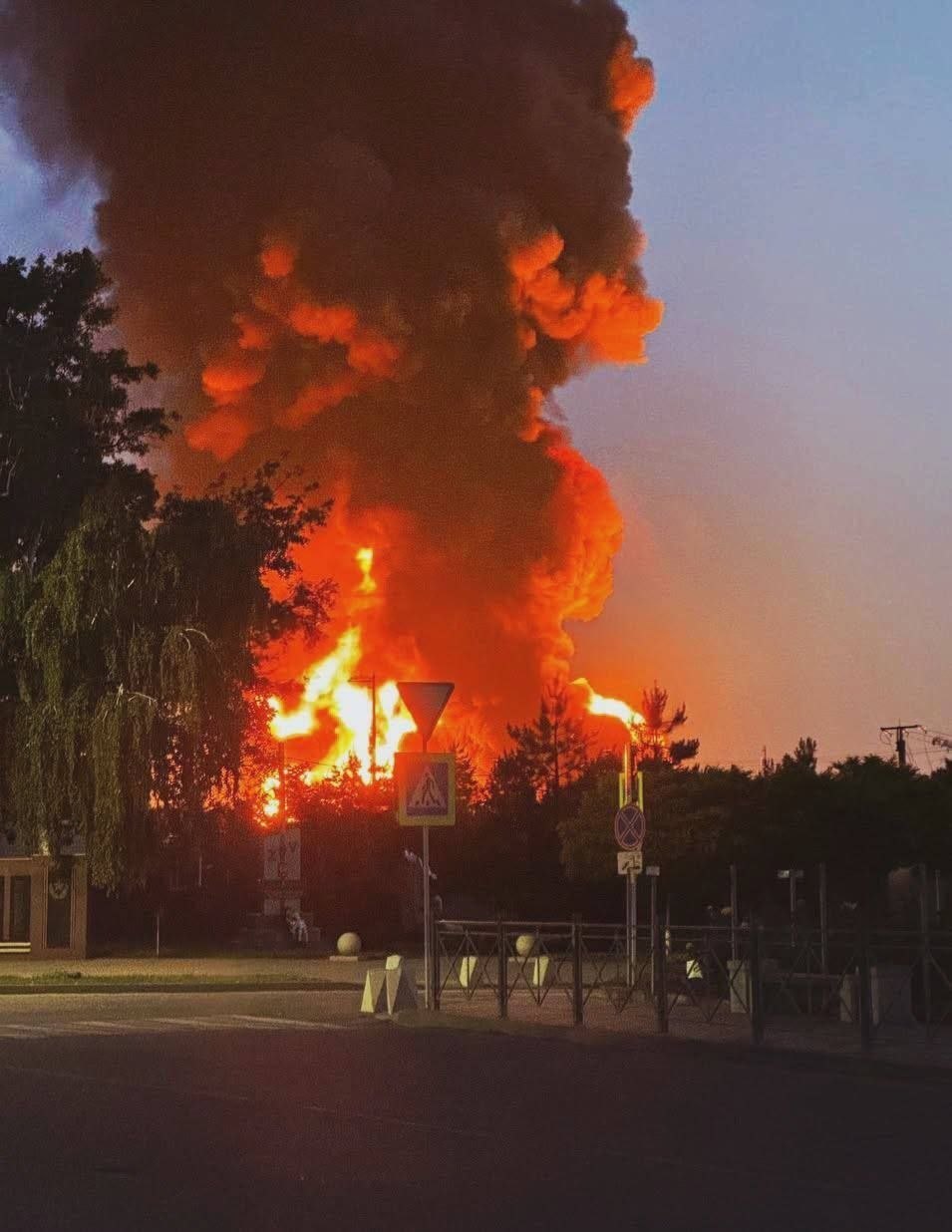
Crimea has been suffering from fuel shortages after Ukrainian drone attacks constricted supplies from adjoining Russian-controlled territory.
More than four years since the 2022 invasion of Ukraine, Russia is facing almost daily Ukrainian attacks on its oil infrastructure while Western sanctions have made crude exports more costly.
Aksyonov said limits had been imposed on sales of the most commonly used gasoline, Ai-95, and that people would have to use fuel coupons for purchases.
In Sevastopol, the largest city in Crimea and the traditional base of Russia's Black Sea Fleet, long queues were witnessed at filling stations.
'I haven't been able to fill up for two days now,' resident Oksana Senchenko said.
'Yesterday there was no gasoline, and today I'm driving around town and there's no gasoline, neither 92 nor 95,' she said.
Sevastopol is working to replenish stocks to resume gasoline sales as usual from Wednesday, with sales conducted via fuel coupons only on Tuesday, Mikhail Razvozhayev, the Russian-backed governor said.
'This is a temporary measure,' he said on the Telegram messaging app early on Tuesday. 'I want to underline: there is no need to line up early in the morning or spend the day waiting in queues.'
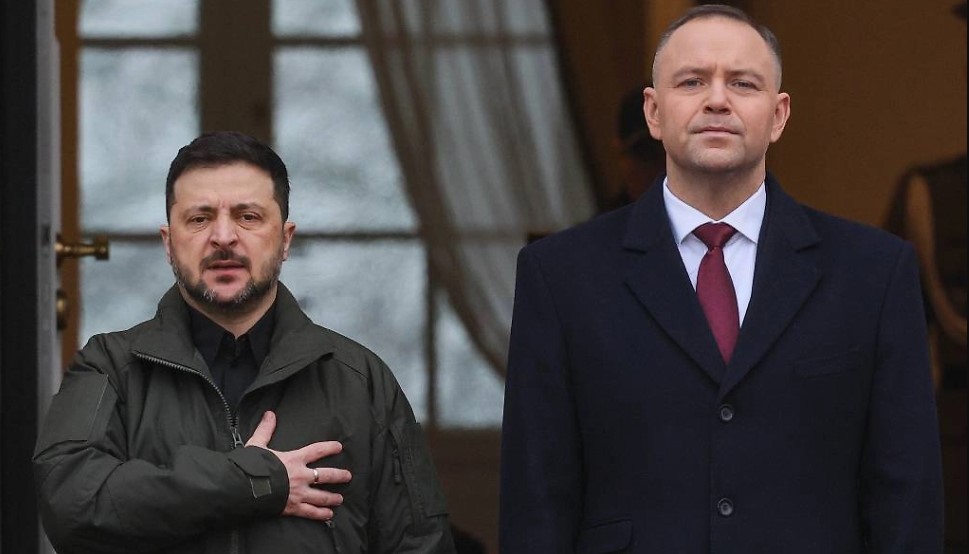
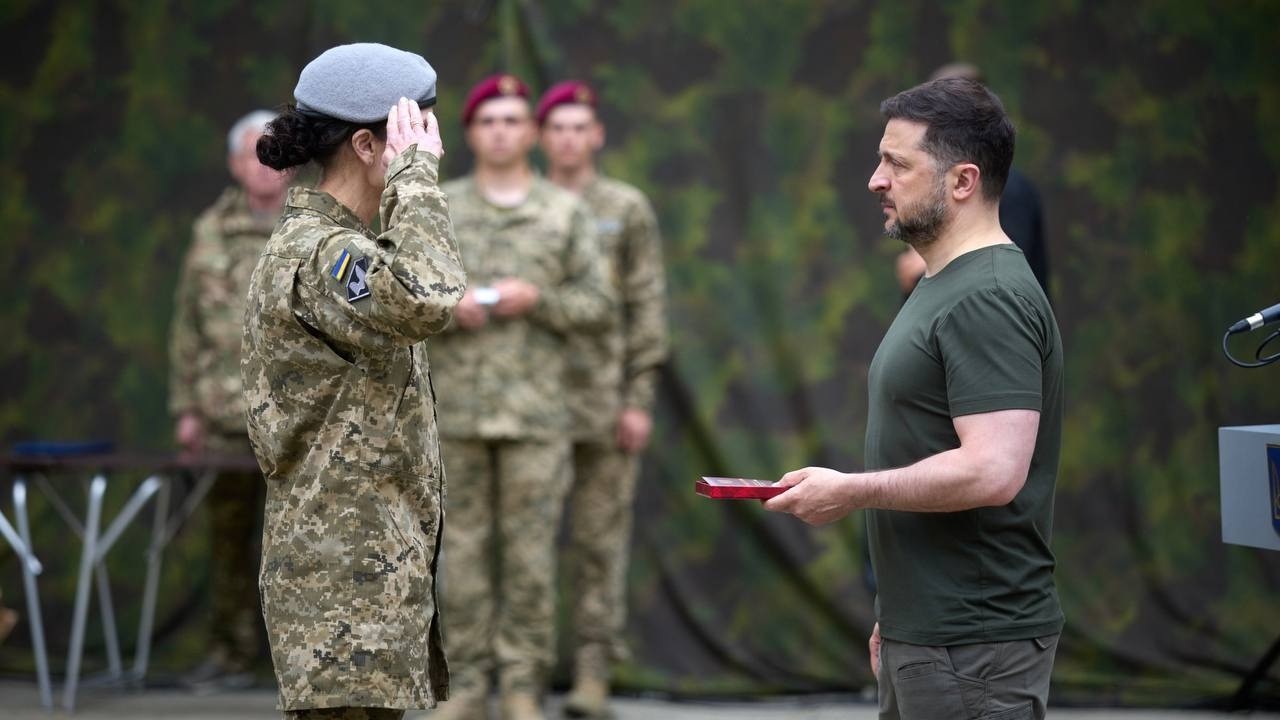
Ukrainian president Volodymyr Zelensky has ruled out ceding territory occupied by Russian forces and has said Ukrainian sovereignty of Crimea must be restored.
And Ukraine has slowly been gaining the upper hand as the pace of Russia's advance has been slowing since late 2025, hobbled by the increasing effectiveness of Ukraine's frontline and mid-range drone strikes, according to the ISW.
Moscow had lost control of around 120 square kilometres (46 square miles) in April, the first month in which its forces gave up more ground than they captured for two and a half years.
However, Russian soldiers are still infiltrated in most of the areas where Ukraine has retaken territory, the ISW said.
The Russian army regularly sends small groups of soldiers to take up positions along parts of the frontline and hide there - a tactic designed to pave the way for larger groups of troops to advance later.
Ukraine's gains in April and May - around 403 square kilometres (156 square miles) in total - remain marginal, representing around 0.4 per cent of the total territory held by Russia.
But they nevertheless point to a positive trend for Kyiv, which has touted itself as having recently gained the upper hand in the four-year conflict.
'Ukraine's successful mid-range and frontline drone strike campaigns are limiting Russia's ability to transport personnel to the frontline and to supply and sustain frontline positions,' the ISW reported last week.
Most of Ukraine's gains were in the eastern Donetsk region, which Russia claims as its own and is fighting to capture in full, and in the southern Zaporizhzhia region.
The estimates exclude advances claimed by Russia but that the ISW has neither confirmed nor denied.
The warning by the president's senior government officials is the most serious sign of internal division in the Kremlin since their forces invaded Ukraine.

www.dailymail.com




 sputnikglobe.com


 southfront.press


 maps.southfront.press






 southfront.press


 tradingeconomics.com