Pakistani asylum seeker unmasked by Reform MP Lee Anderson is found guilty of raping 'vulnerable' girl in a park
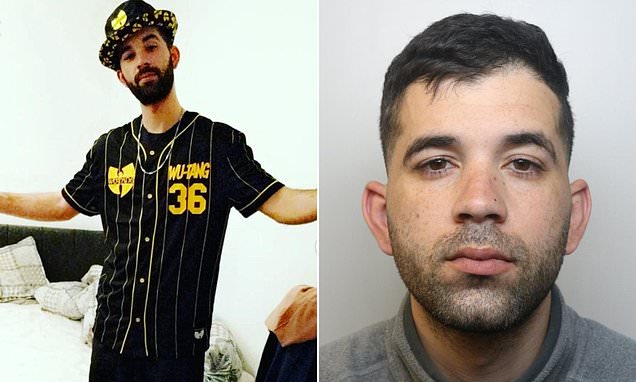
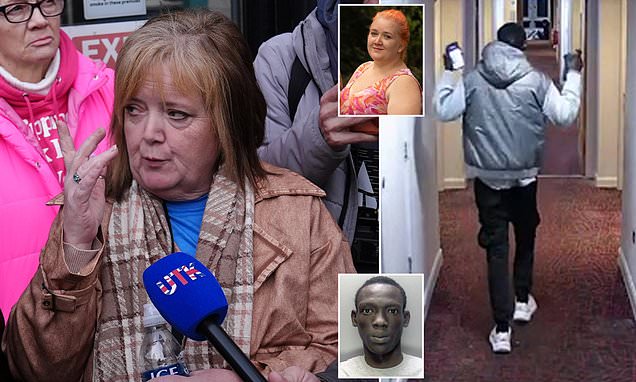
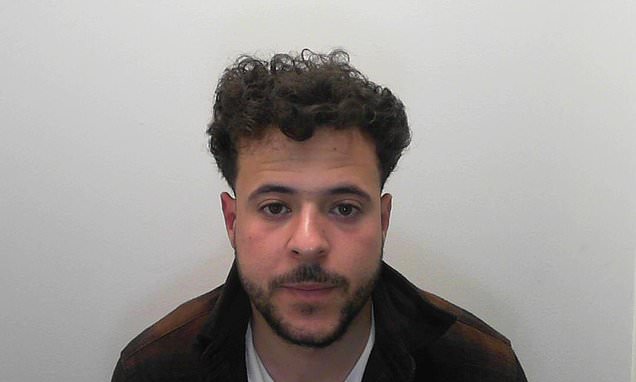
An asylum seeker who was unmasked by Reform MP Lee Anderson has been convicted of raping a 'vulnerable' girl he pounced on in a park.
Sheraz Malik's immigration status was exposed by Mr Anderson after the drunken victim was targeted by Malik and his friend last summer.
A judge stopped the public from being told about Malik's asylum status by gagging the press from reporting it until the end of the trial, it can now be revealed.
Jurors last week heard that Pakistani Malik, who was living in a taxpayer-funded house of multiple occupancy, took it in turns with his friend to rape the teenager before asking her: 'Did you enjoy that?'
The teenager texted a friend to say 'please help me' after the attack, jurors were told.
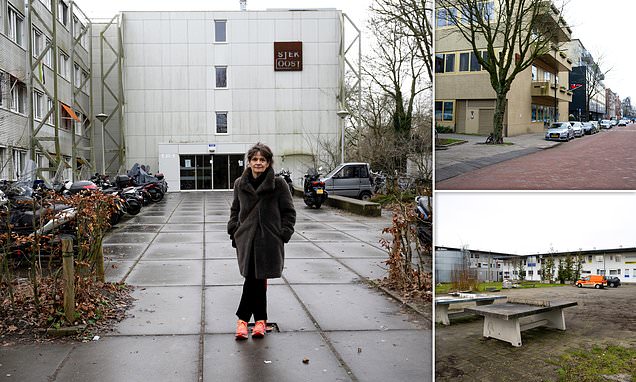
Malik, now 28, subsequently fled from Sutton-in-Ashfield, Nottinghamshire, on a coach to Newcastle under a false name. He was arrested in the city almost almost three weeks later.
Following the verdict, Mr Anderson told the Daily Mail: 'This animal should've never been allowed into our country. This government is wholly responsible.
'It's quite obvious that the police and the whole judiciary were very reluctant to allow the public the true identity of this vile creature.
'The public deserves better which is why I exposed the truth.'
Malik remained emotionless in the dock as the jury returned guilty verdicts on two counts of rape and a not guilty verdict on a third count.
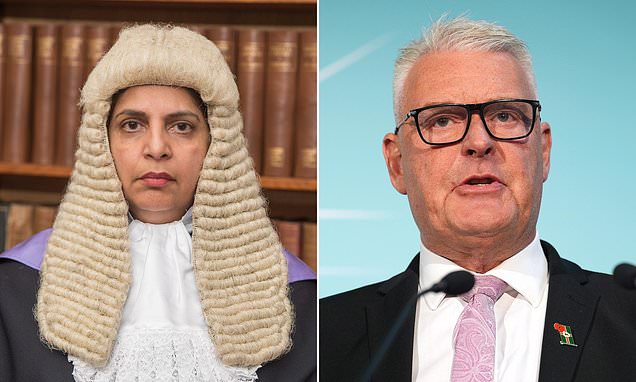
Judge Simon Ash said Malik was 'bound to be deported' as he will likely receive a sentence in excess of 12 months and agreed to order reports ahead of sentencing after the prosecutor warned: ‘We know very little about the background of the defendant.'
Malik was remanded in custody with a date for sentencing to be set next month.
His alleged accomplice has been identified by police as an Afghan national who is now believed to be abroad after going on the run.
Assistant Chief Constable Leona Scurr of Nottinghamshire Police said: ‘An extensive search is under way to track him down.
‘Unfortunately, we cannot go into the details about locations to ensure the investigation is not compromised.’
In posts published on X and Facebook last summer, Mr Anderson claimed he had been asked not to publicise the case by police for fear of jeopardising the prosecution.
He wrote on social media 'Enough is enough…I was asked not to go public on this matter as it might affect the trial. Why would it affect the trial….I will not shut up and do not care about the consequences.'
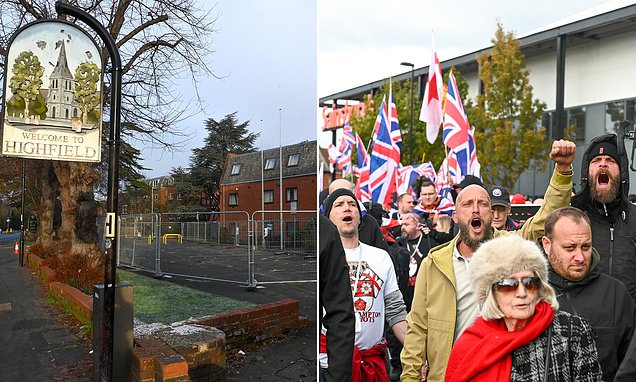
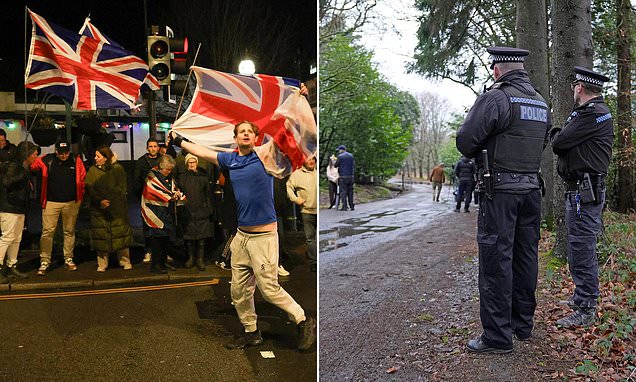
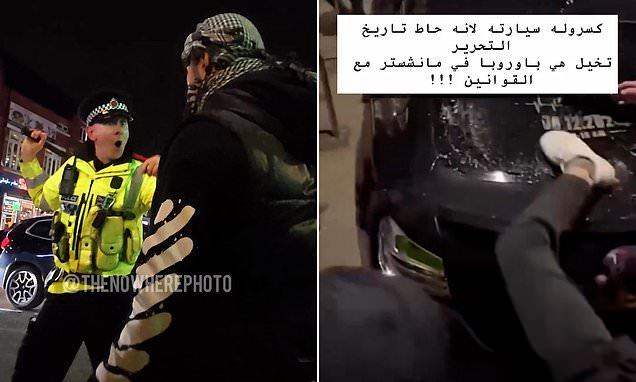
The posts triggered an anti-immigrant protest in Sutton-in-Ashfield, where the rape took place at the Sutton Lawn park in his constituency, and Malik's trial was later switched from Nottingham to Birmingham amid the increased publicity around the case.
At a hearing at Nottingham Crown Court in September, a judge imposed a reporting restriction postponing publication of Malik's immigration status until the end of the trial, to avoid a 'substantial risk of prejudice to the administration of justice'.
Reporters were told that at the same hearing while sitting in chambers, a judge gave Mr Anderson, the MP for Ashfield, 18 days to voluntarily remove his social media post or she would consider holding him in contempt of court.
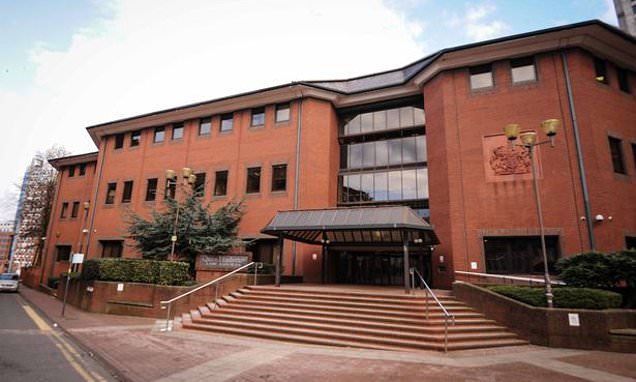
Birmingham Crown Court heard the 18-year-old victim had been drinking vodka in the park with her friend that evening, while the defendant and a group of other men were playing cricket nearby.
Her friend left for a short period to meet another friend, and asked the men to keep an eye on her.
But instead, one of the men - named as 'Asad' by Malik in court - led the woman to a secluded area and raped her.
The court heard Malik - who told housemates he was smuggled into Britain in the boot of a car – then dragged her to a tree by her hair before carrying out his own sex attack.
Sheraz Malik's immigration status was exposed by Mr Anderson after the drunken victim was targeted by Malik and his friend last summer.

www.dailymail.co.uk