NZDUSD Technical Analysis – 23rd DEC, 2025
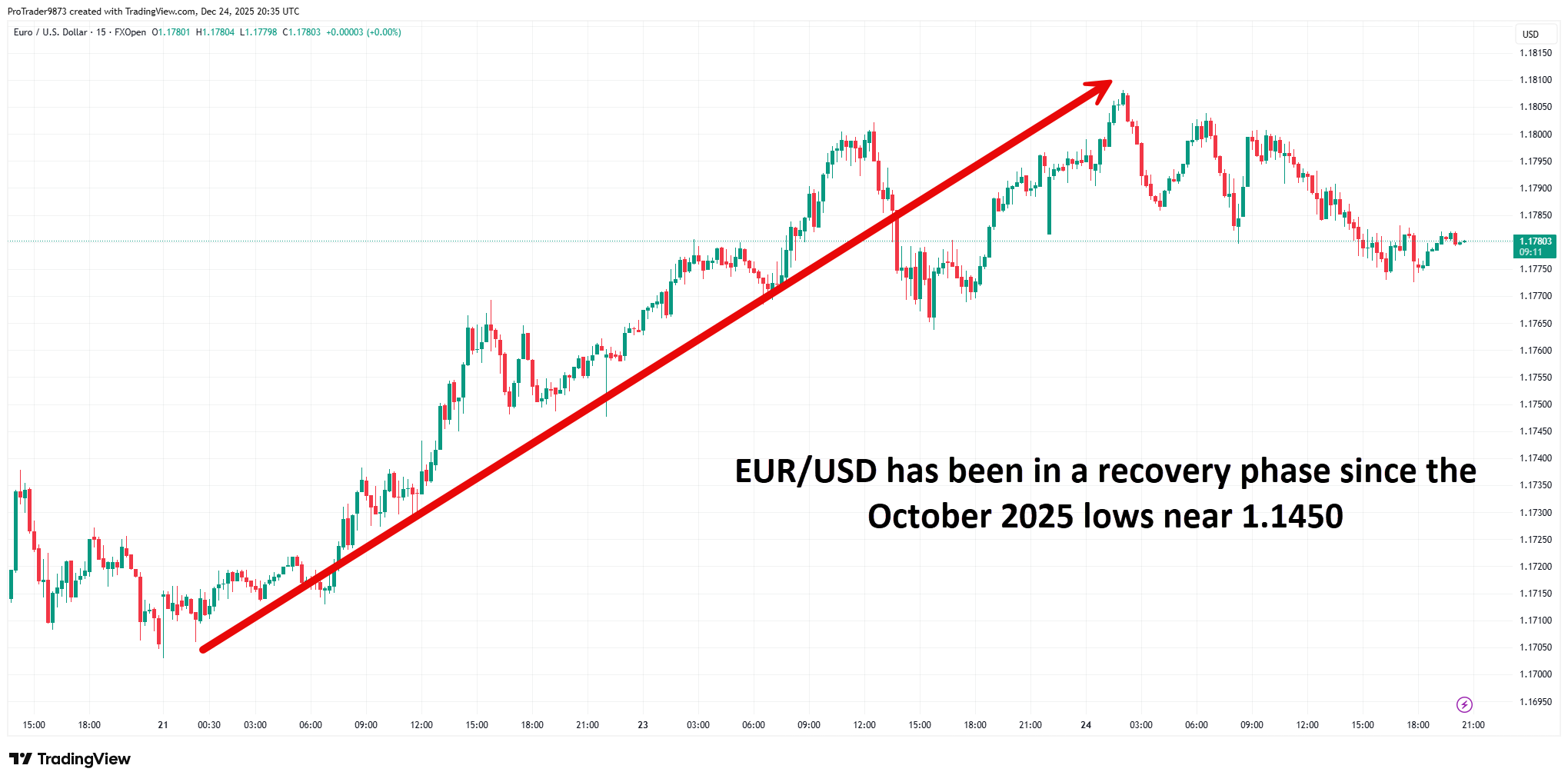
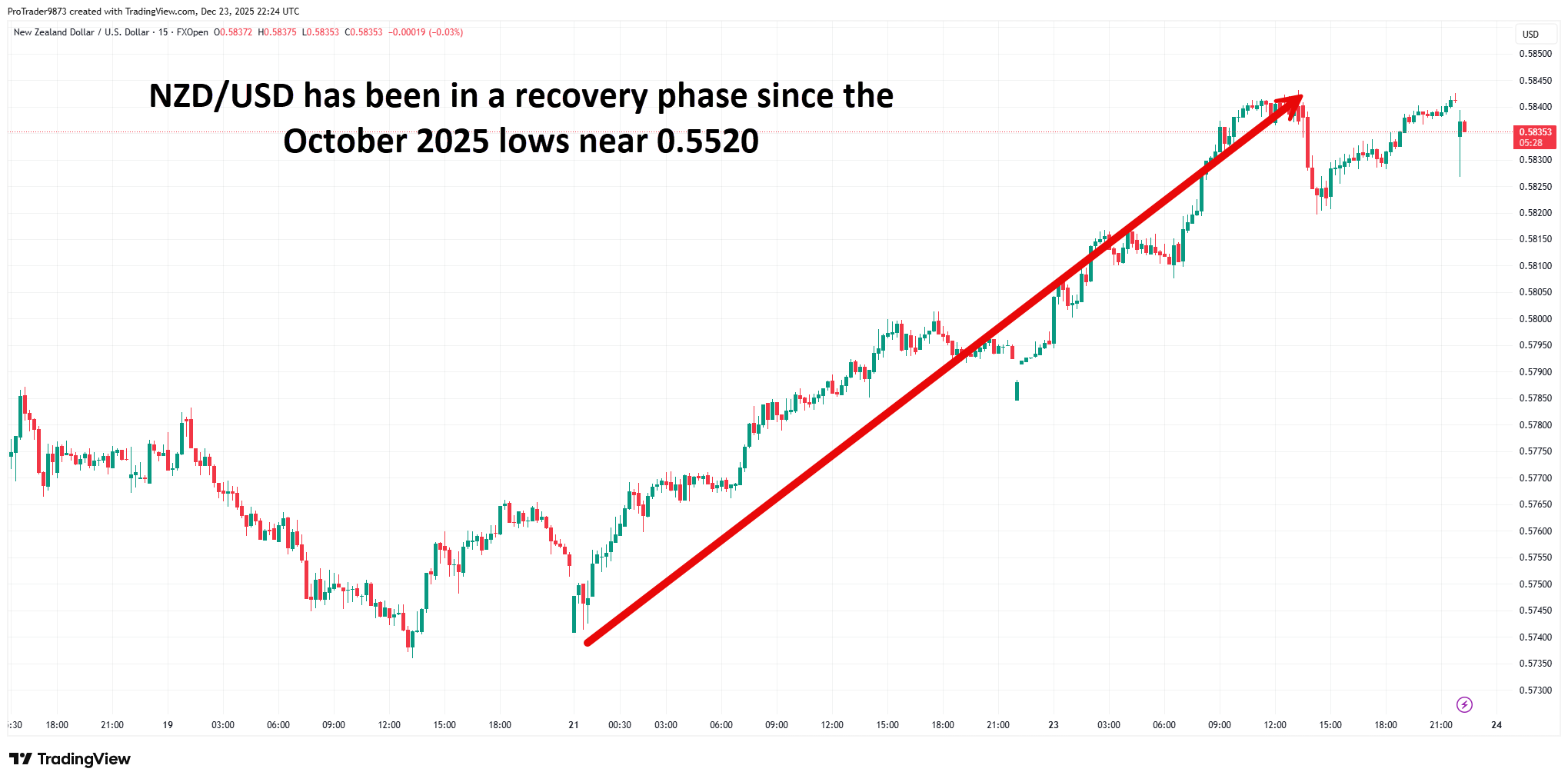
NZDUSD – NZD/USD has been in a recovery phase since the October 2025 lows near 0.5520
NZD/USD Technical Analysis – 23rd December 2025
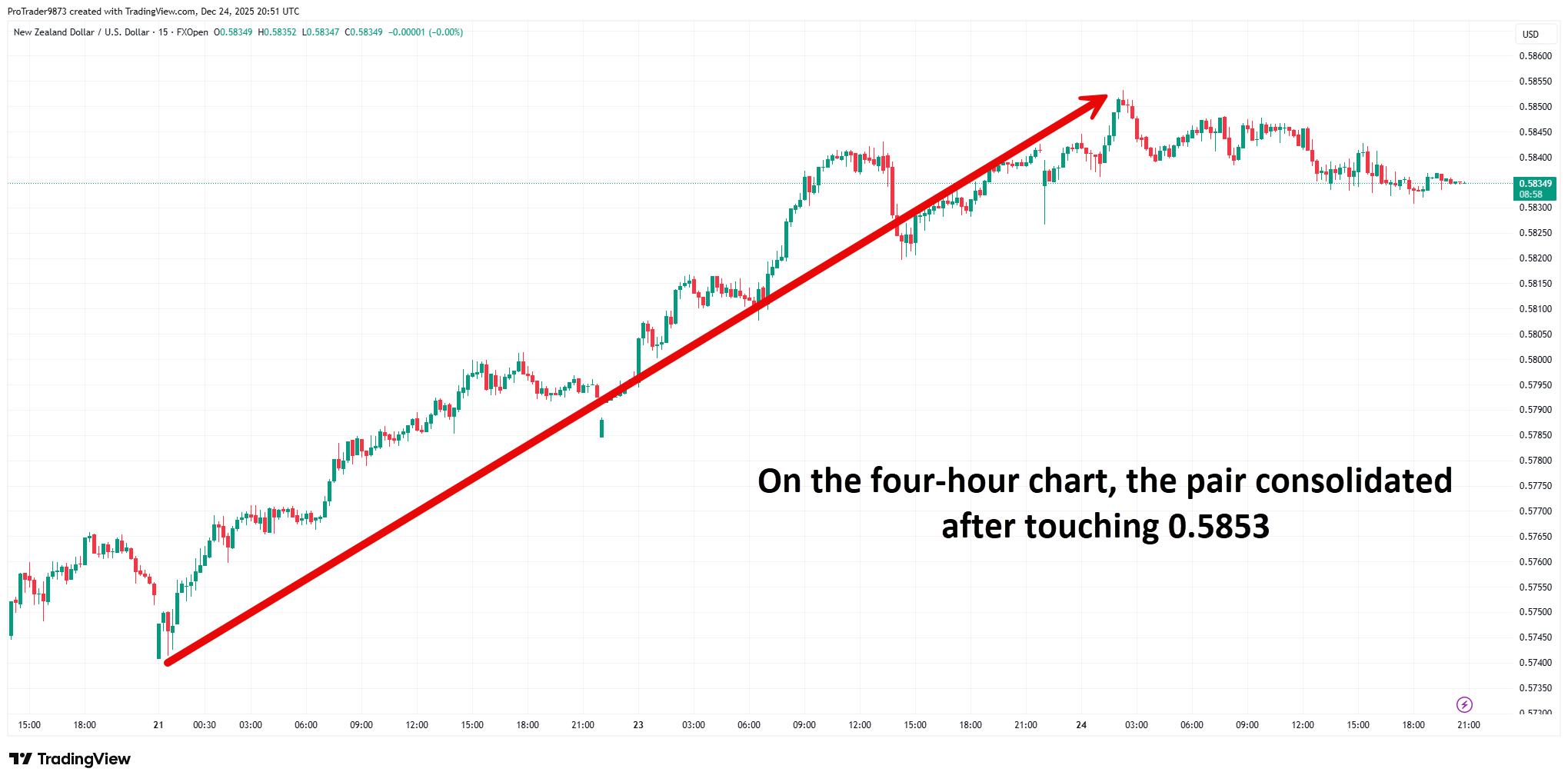
On 23rd December 2025, NZD/USD touched a high of 0.5843, which proved to be a significant resistance level. The price action on this day reflected hesitation among buyers, as the pair failed to sustain momentum beyond this point. The candlestick structure showed a relatively small body with an upper wick, indicating rejection at higher levels and suggesting that sellers were active near the 0.5840–0.5850 psychological zone.
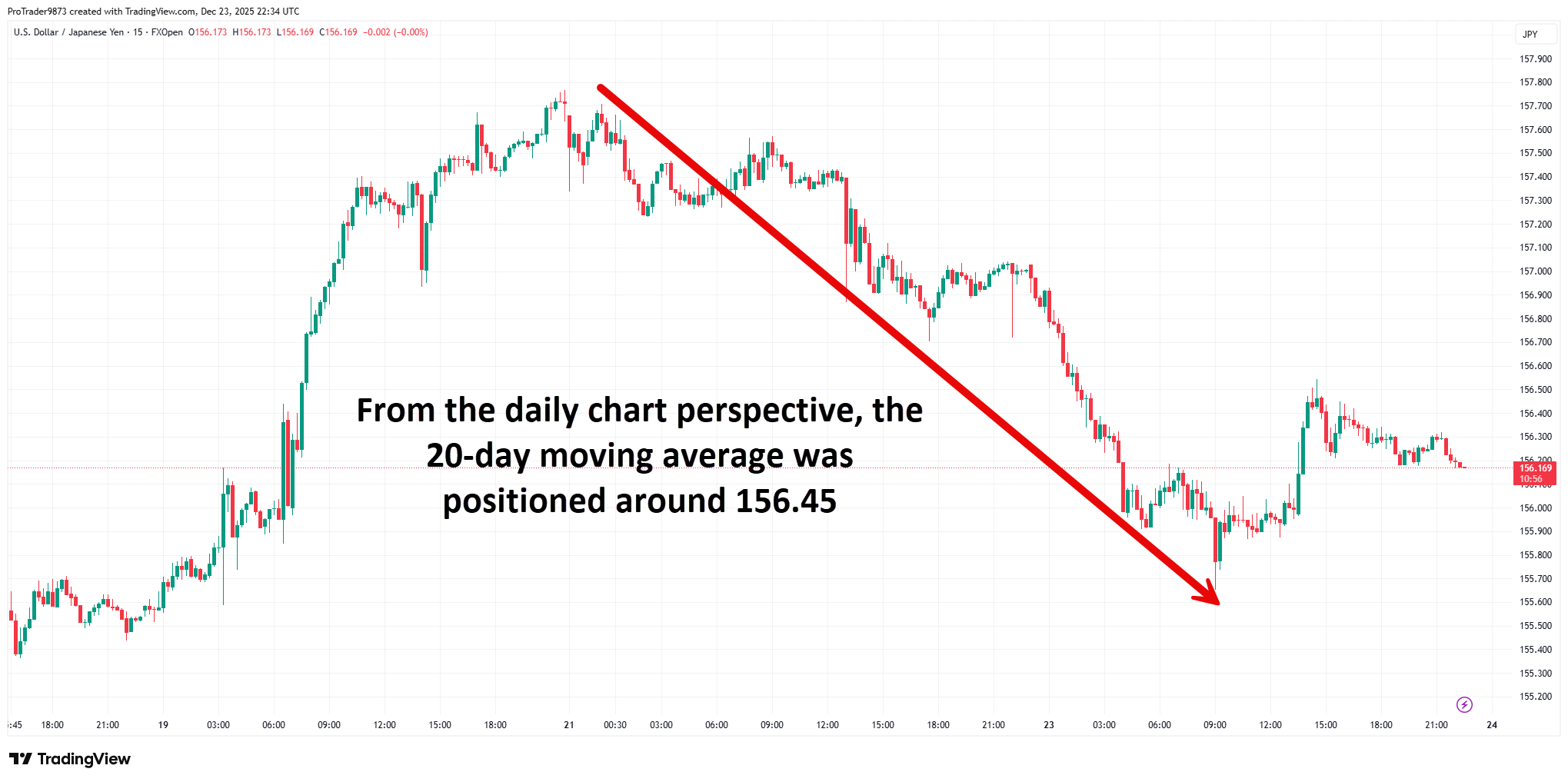
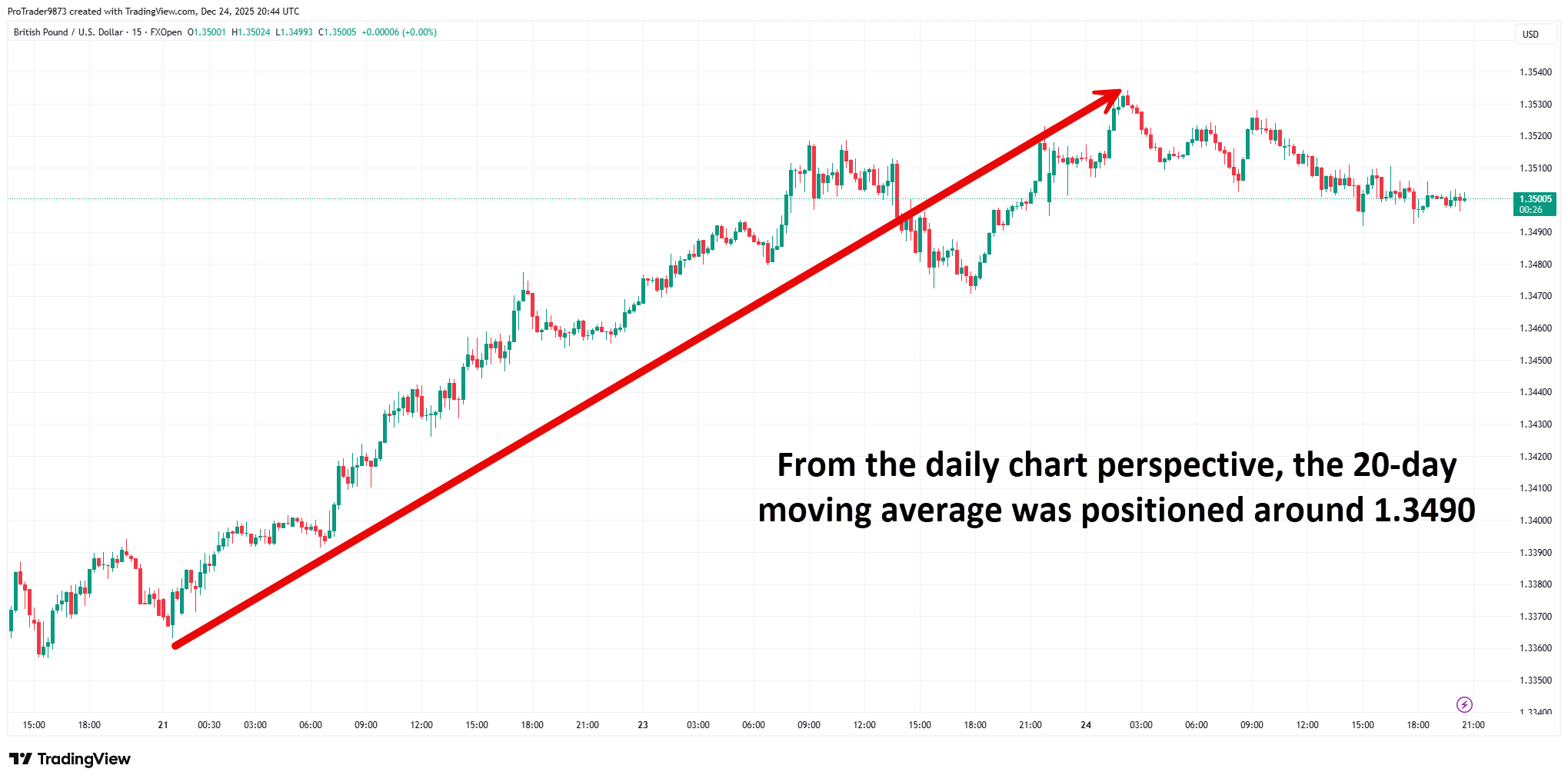
From a daily chart perspective, the moving averages provided a clear picture of the prevailing trend. The 20 day moving average was positioned around 0.5805, just below the day’s high, which reinforced the idea of short term resistance pressure. The 50 day moving average was located near 0.5720 and was sloping upward, confirming medium term bullish momentum. The 200 day moving average stood at approximately 0.5630, also pointing upward, which highlighted that the long term bias had shifted toward bullishness. Momentum indicators supported this view. The Relative Strength Index (RSI) hovered around 65, a level that reflects strong bullish momentum but also warns of potential overbought conditions. The MACD histogram remained positive with the signal line above zero, confirming that buyers were still present in the market, though momentum was beginning to flatten near resistance.
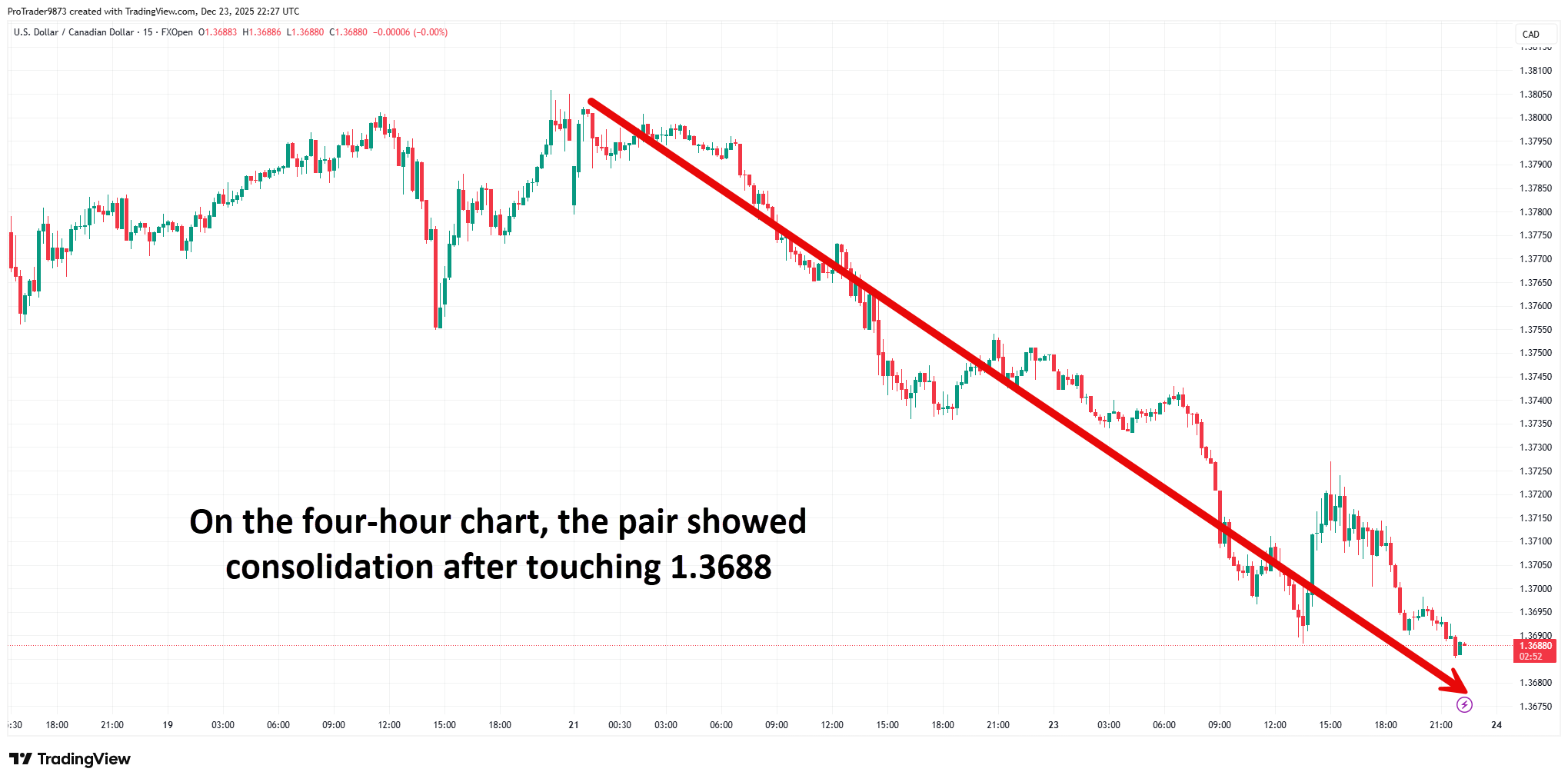
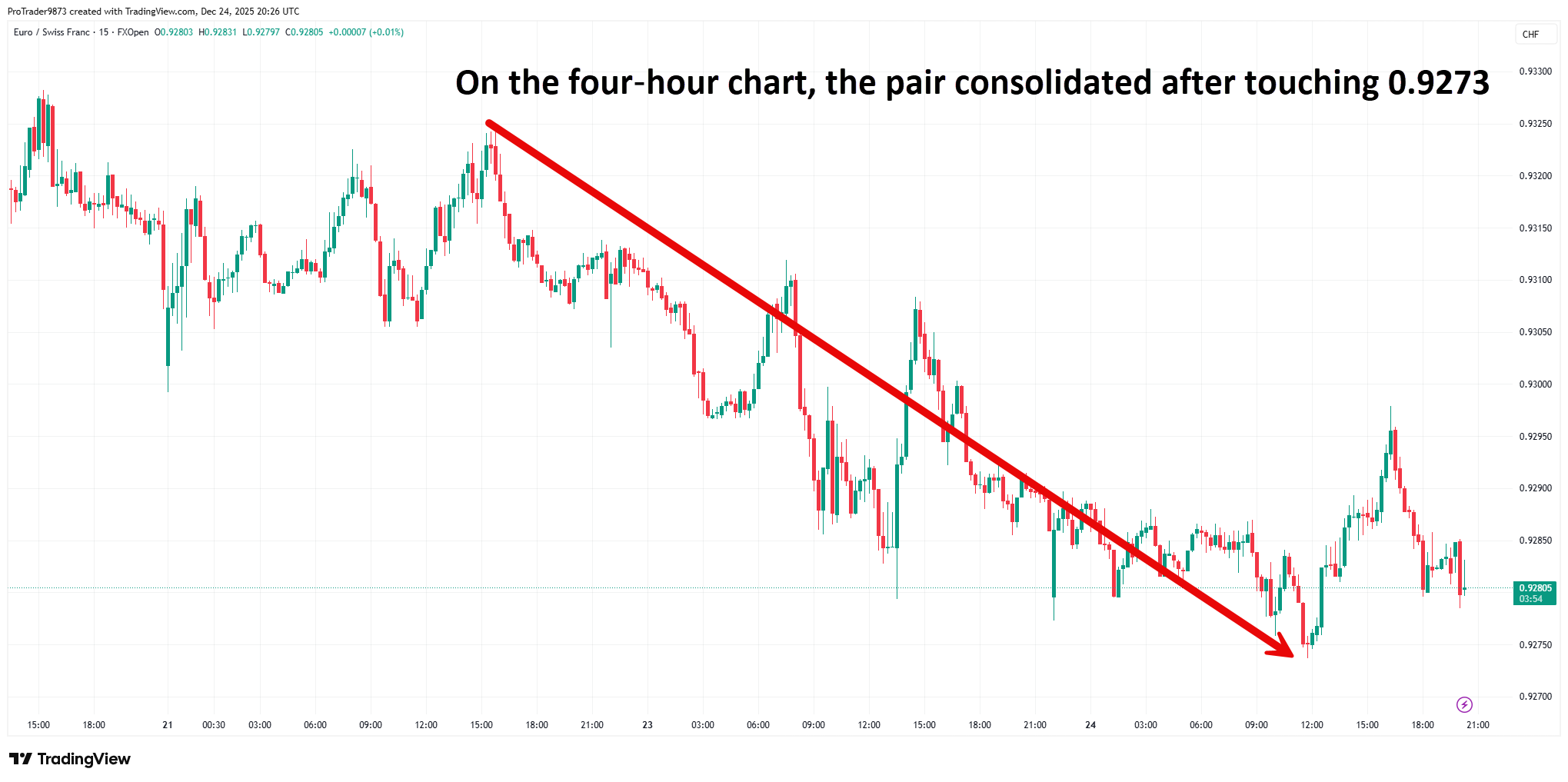
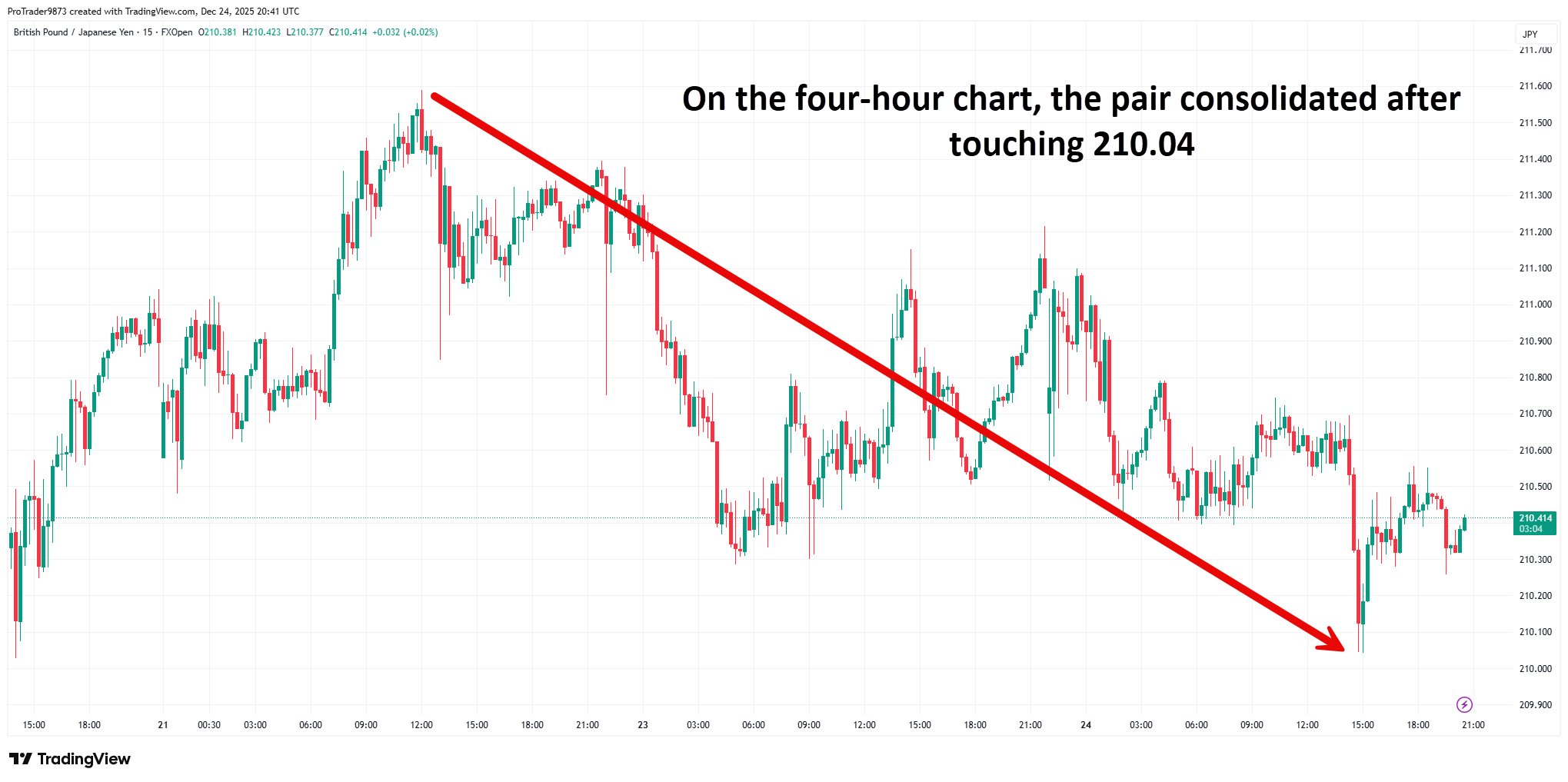
On the four hour chart, the pair showed consolidation after touching 0.5843. The stochastic oscillator was positioned near 80, which indicated overbought conditions and the possibility of a short term pullback. Momentum readings were flattening, suggesting that buyers were not able to push the pair higher with conviction. Immediate support was seen at 0.5810, with stronger support at 0.5780. Resistance was clearly defined at 0.5840–0.5850, with the next level of resistance at 0.5890. This intraday structure pointed to range bound trading conditions, with sellers defending the upper boundary.
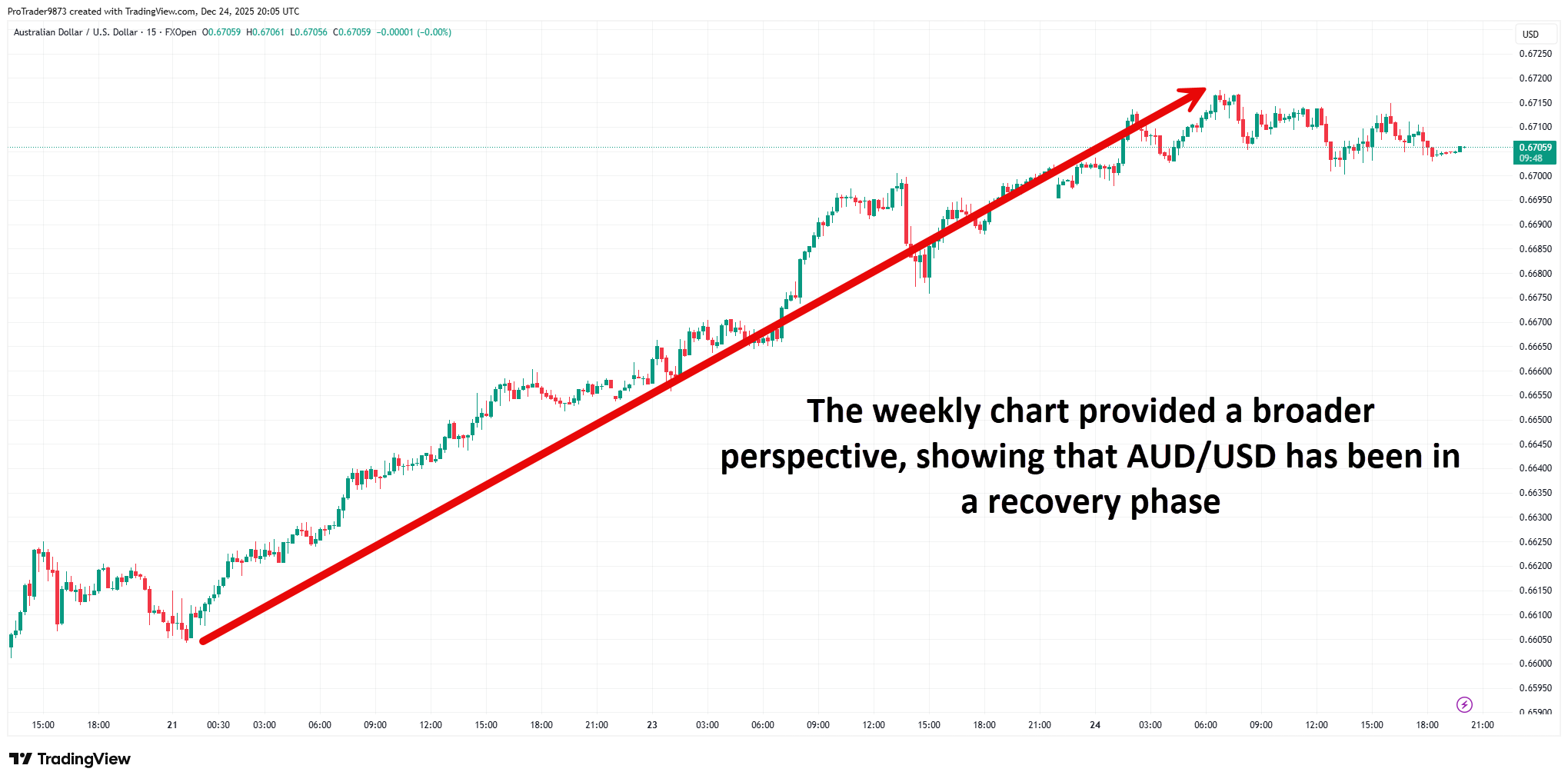
The weekly chart provided a broader perspective. NZD/USD has been in a recovery phase since the October 2025 lows near 0.5520, characterized by higher lows and higher highs. Volatility, measured by the Average True Range (ATR), was moderate at around 0.0058, suggesting that price swings were contained but directional bias remained bullish. A Fibonacci retracement drawn from the July 2025 high of 0.6050 to the October low of 0.5520 revealed important levels. The 38.2 percent retracement stood at 0.5725, the 50 percent retracement at 0.5785, and the 61.8 percent retracement at 0.5845. The high of 0.5843 coincided almost exactly with the 61.8 percent retracement, which reinforced the idea that the market was testing a critical resistance zone where sellers were likely to be active.
Taken together, these signals suggest that NZD/USD faced strong resistance at 0.5840–0.5850. In the short term, the rejection at this level pointed to potential downside risks, with 0.5810 and 0.5780 acting as immediate support zones. In the medium term, the moving averages and momentum indicators indicated bullish consolidation, with the pair likely to remain supported unless it broke decisively below 0.5780. In the longer term, the recovery trend remained intact as long as the pair traded above the 0.5725–0.5785 region, which coincides with the 50 day moving average and the 38.2–50 percent Fibonacci retracement levels.
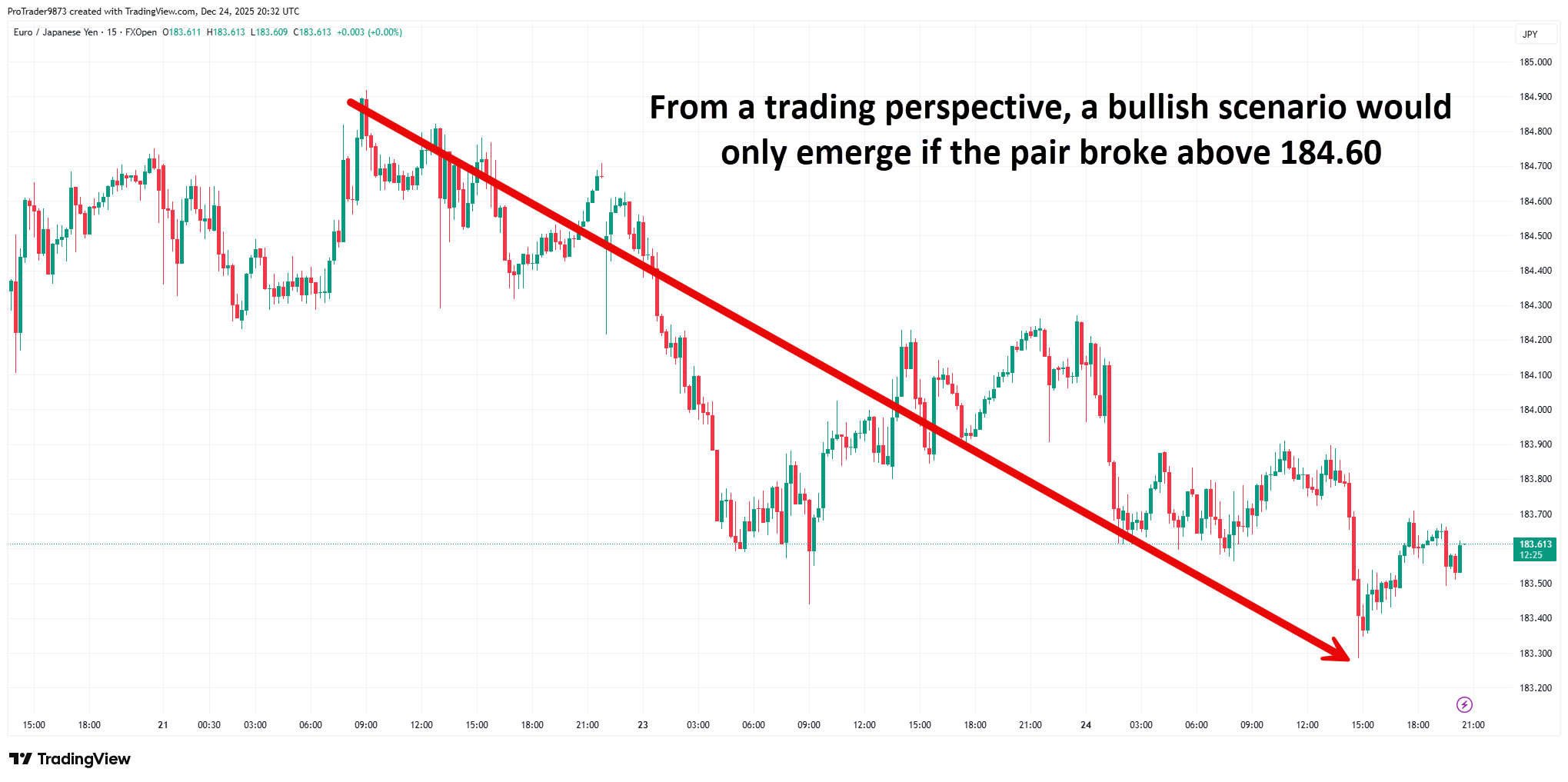
From a trading perspective, a bullish scenario would only emerge if the pair broke above 0.5850, opening the path toward 0.5890 and potentially 0.5950. A bearish scenario would be confirmed if the pair failed to hold above 0.5780, which could lead to a decline toward 0.5725 and possibly 0.5680. A neutral scenario would involve range bound trading between 0.5780 and 0.5850, with traders focusing on short term opportunities within this narrow band.
#fxopen #forex #forexanalysis
Disclaimer: This analysis represents my own opinion only. It is not to be construed as an opinion, offer, solicitation, recommendation, or financial advice of the Companies operating under the FXOpen brand.
For in-depth analysis, please check ...
NZDUSD – NZD/USD has been in a recovery phase since the October 2025 lows near 0.5520
NZD/USD Technical Analysis – 23rd December 2025
On 23rd December 2025, NZD/USD touched a high of 0.5843, which proved to be a significant resistance level. The price action on this day reflected hesitation among buyers, as the pair failed to sustain momentum beyond this point. The candlestick structure showed a relatively small body with an upper wick, indicating rejection at higher levels and suggesting that sellers were active near the 0.5840–0.5850 psychological zone.
From a daily chart perspective, the moving averages provided a clear picture of the prevailing trend. The 20 day moving average was positioned around 0.5805, just below the day’s high, which reinforced the idea of short term resistance pressure. The 50 day moving average was located near 0.5720 and was sloping upward, confirming medium term bullish momentum. The 200 day moving average stood at approximately 0.5630, also pointing upward, which highlighted that the long term bias had shifted toward bullishness. Momentum indicators supported this view. The Relative Strength Index (RSI) hovered around 65, a level that reflects strong bullish momentum but also warns of potential overbought conditions. The MACD histogram remained positive with the signal line above zero, confirming that buyers were still present in the market, though momentum was beginning to flatten near resistance.
On the four hour chart, the pair showed consolidation after touching 0.5843. The stochastic oscillator was positioned near 80, which indicated overbought conditions and the possibility of a short term pullback. Momentum readings were flattening, suggesting that buyers were not able to push the pair higher with conviction. Immediate support was seen at 0.5810, with stronger support at 0.5780. Resistance was clearly defined at 0.5840–0.5850, with the next level of resistance at 0.5890. This intraday structure pointed to range bound trading conditions, with sellers defending the upper boundary.
The weekly chart provided a broader perspective. NZD/USD has been in a recovery phase since the October 2025 lows near 0.5520, characterized by higher lows and higher highs. Volatility, measured by the Average True Range (ATR), was moderate at around 0.0058, suggesting that price swings were contained but directional bias remained bullish. A Fibonacci retracement drawn from the July 2025 high of 0.6050 to the October low of 0.5520 revealed important levels. The 38.2 percent retracement stood at 0.5725, the 50 percent retracement at 0.5785, and the 61.8 percent retracement at 0.5845. The high of 0.5843 coincided almost exactly with the 61.8 percent retracement, which reinforced the idea that the market was testing a critical resistance zone where sellers were likely to be active.
Taken together, these signals suggest that NZD/USD faced strong resistance at 0.5840–0.5850. In the short term, the rejection at this level pointed to potential downside risks, with 0.5810 and 0.5780 acting as immediate support zones. In the medium term, the moving averages and momentum indicators indicated bullish consolidation, with the pair likely to remain supported unless it broke decisively below 0.5780. In the longer term, the recovery trend remained intact as long as the pair traded above the 0.5725–0.5785 region, which coincides with the 50 day moving average and the 38.2–50 percent Fibonacci retracement levels.
From a trading perspective, a bullish scenario would only emerge if the pair broke above 0.5850, opening the path toward 0.5890 and potentially 0.5950. A bearish scenario would be confirmed if the pair failed to hold above 0.5780, which could lead to a decline toward 0.5725 and possibly 0.5680. A neutral scenario would involve range bound trading between 0.5780 and 0.5850, with traders focusing on short term opportunities within this narrow band.
#fxopen #forex #forexanalysis
Disclaimer: This analysis represents my own opinion only. It is not to be construed as an opinion, offer, solicitation, recommendation, or financial advice of the Companies operating under the FXOpen brand.
For in-depth analysis, please check ...